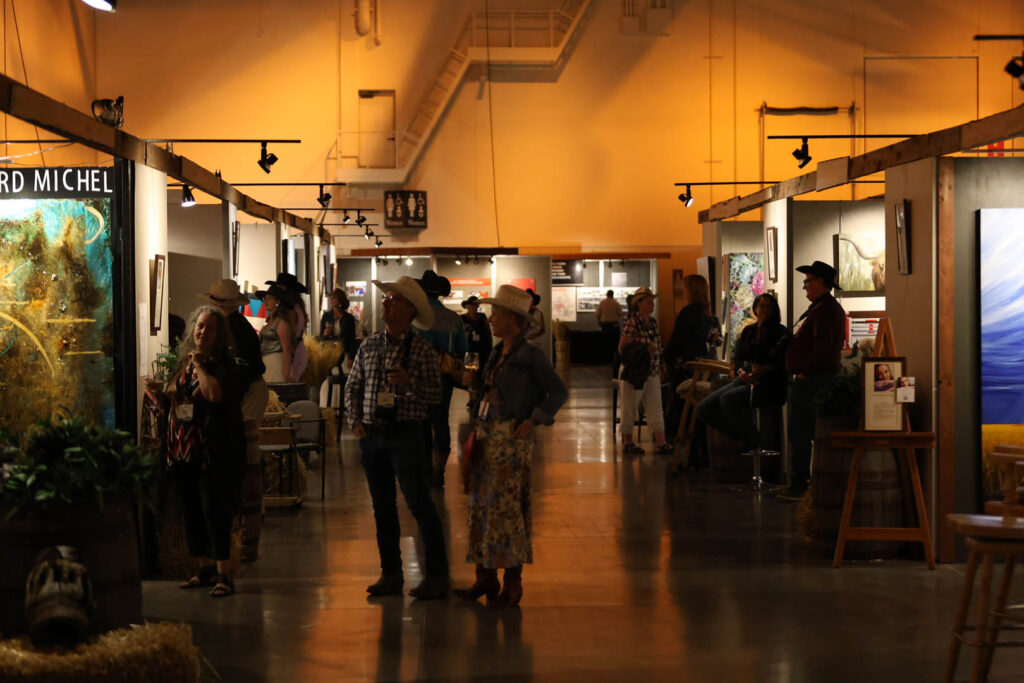
If you’re heading to Stampede this year, be sure to make time to wander through the Calgary Stampede Art Show! Located in the Western Oasis inside the BMO Centre at Stampede Park, visitors can enjoy fine art, sculpture, photography, mixed media, a craft and creative arts competition and of course, live music on the Window to the West Stage.
Much of the art in the space is for sale, so it’s a chance to snap up one-of-a-kind pieces straight from the Artist’s themselves. There are also historical exhibits, crafting demonstrations, one-on-one talks with professional photographers and live painting happening daily.
“Magic Campfire” by Heather Getzlaf, winner of the Creative award in the 2026 Calgary Stampede Photography Competition.
As a true Calgary Stampede fan, I am always happy to share tips for making the most of the 10-day festival, from the best new foods (and those irresistible deep-fried favourites on a stick) to the top rodeo seats, chuckwagon picks, and when is the perfect time to line up for the Westjet Sky Ride. But this time, it’s time to share one of the Calgary Stampede’s true gems with those who aren’t in the know – or are visiting Stampede for the first time.
Let’s talk about the Calgary Stampede Art Show!
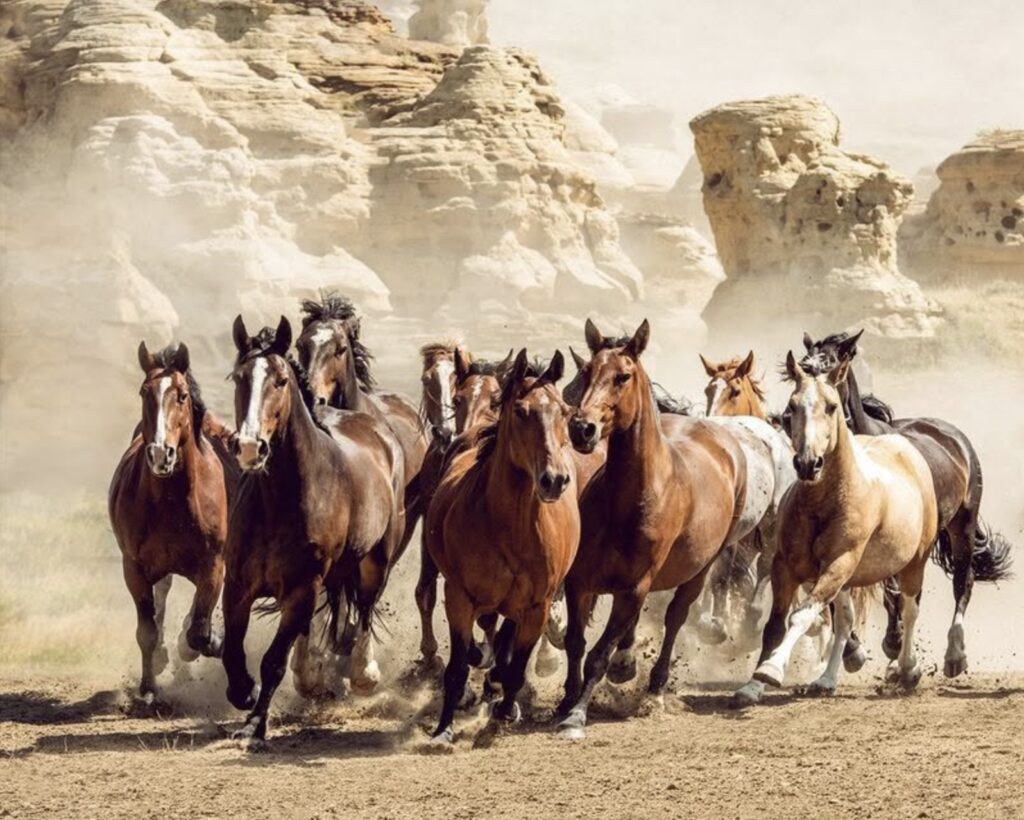
Photo by Western Lifestyle & Architecture Runner Up Category Runner-Up: Susan Rex with “Running Free” @thebuckinphotographer
Located in the “Western Oasis” within the BMO Centre, visitors will find a beautiful, cool, and calming break from the energy of the Midway. The Oasis is filled with fine art, sculpture, photography, mixed media, and craft and creative arts.
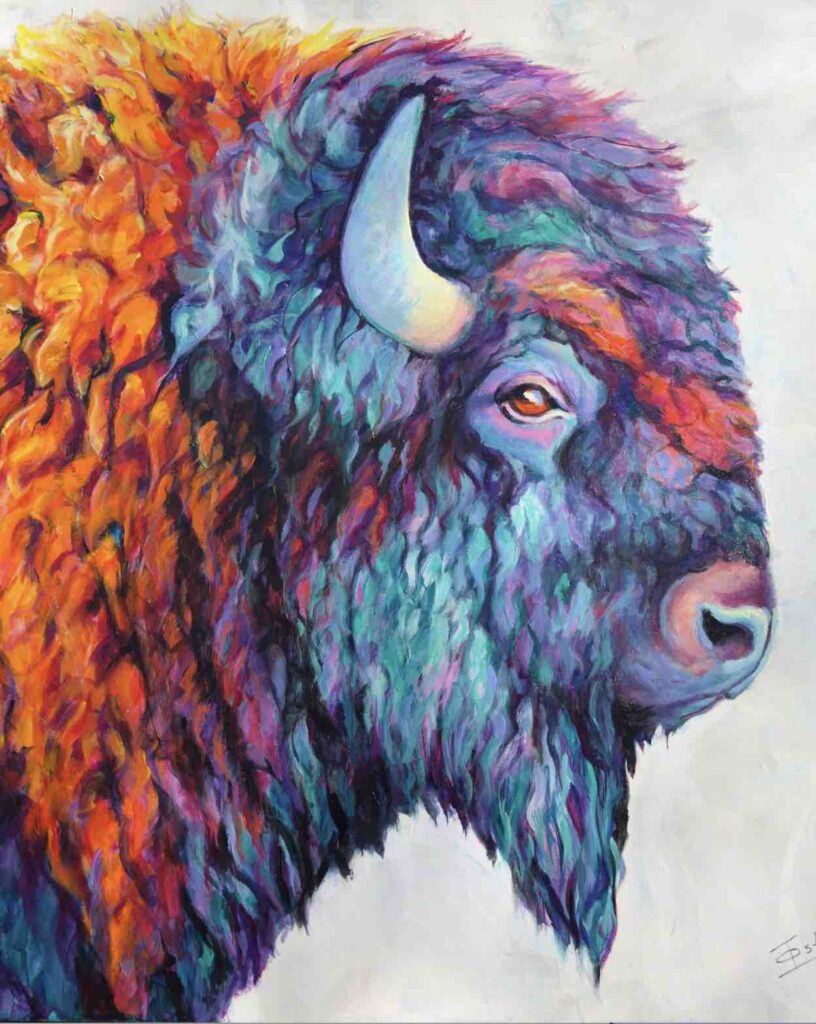
Much of the art is for sale, and ranges from traditional Western styles to contemporary offerings. Back this year is the fan-favourite Artist Ranch project which showcases work inspired by selected Artists after a stay at the OH Ranch.
Enjoy a coffee or a glass of wine as you stroll through various exhibits, galleries and displays where you can talk directly to the Artists, or just sit back and take in one of the many daily music performances on the Window to the West Stage.
My recommendation? Visit the Western Oasis in the late afternoon or early evening, when you’re ready for a break before heading into the BMO Market. If you can, plan your visit around one of the live painting demonstrations, artist talks, or hands-on creative demonstrations. They offer a chance to connect with the artists and gain a deeper appreciation for the work on Display.
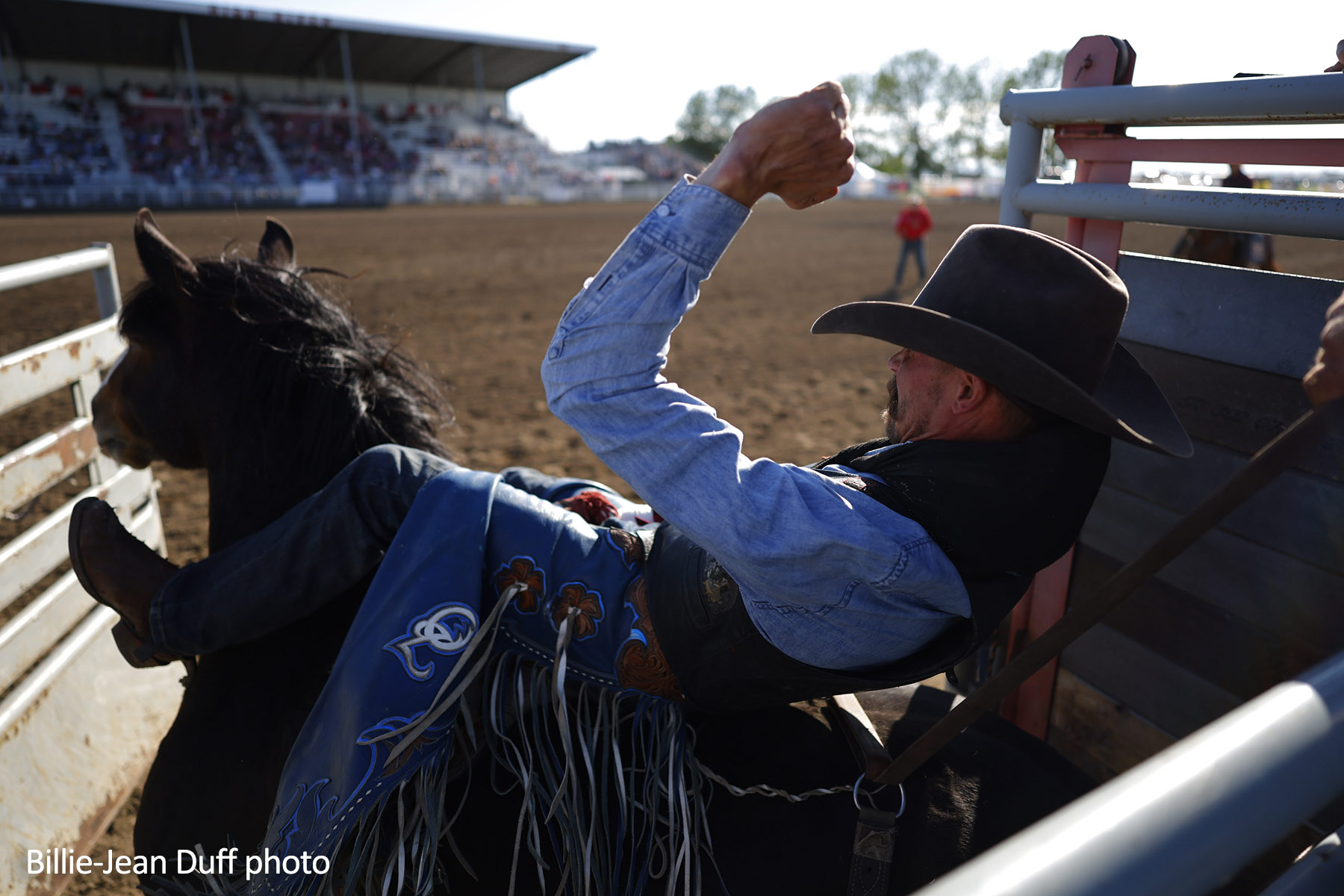
A pair of Canadian bareback champions who are also traveling partners showed exactly how they won those titles as they dominated the three CPRA rodeo stops this past weekend.
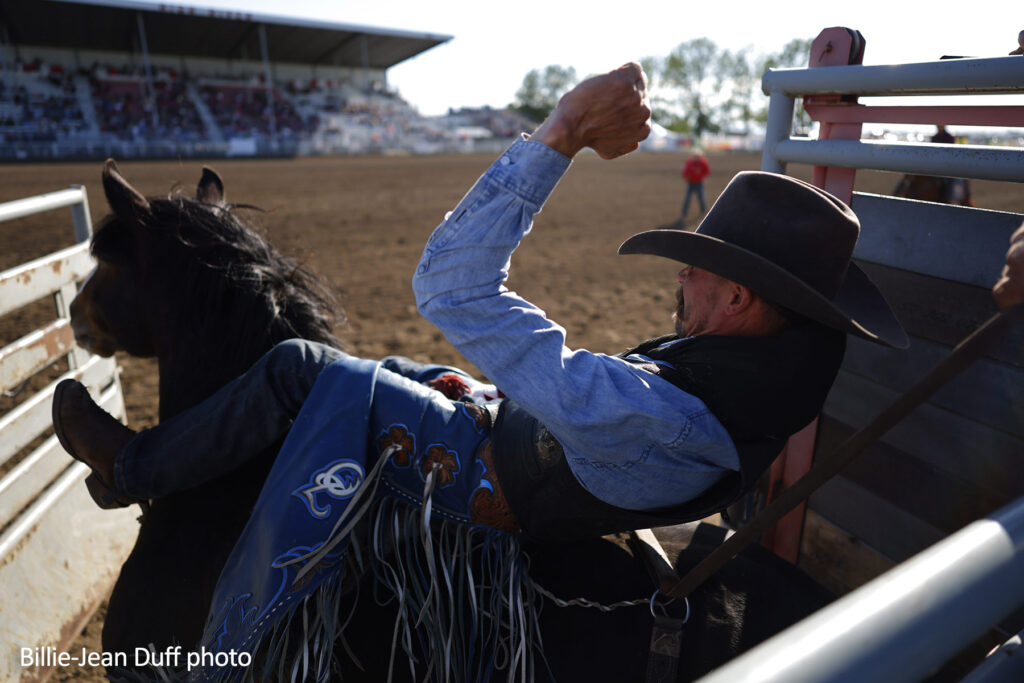
2019 Canadian champ Orin Larsen expanded his lead atop the Canadian bareback riding standings as he posted wins at both the Wainwright Stampede and High River’s Guy Weadick Days Rodeo and finished third at the Sundre Pro Rodeo to pocket $7772. Two of those rodeos–Sundre and Wainwright–are critical stops on the Massey Ferguson Pro Rodeo Tour.
The other half of the tandem, 2024 champion Kody Lamb topped the field at Sundre and was second at the other two weekend events to pad his bank account by $7512. Lamb jumped a couple of spots in the standings and now sits in second place, about six thousand behind Larsen, the nine-time NFR qualifier.
The weekend haul will also benefit both guys as they pursue the elusive NFR qualifications. Larsen entered the weekend in 17th spot in the world standings with Lamb holding down 30th place.
Larsen’s weekend started at High River when he and the “campaigner of the group”, C5 Rodeo’s 808 Wichita matched up for 86.5 points; then followed up with a third-place effort at Sundre aboard the Calgary Stampede’s T-32 Turbo Rocket. That set the stage for Wainwright and the Manitoba product definitely brought his A-game as he drew Wayne Vold’s outstanding T1 Dancing Queen. The result was a sparkling 89 pointer for the win.
“It was a lake there but I kind of thought Dancing Queen would be a natural mudder. She’s been around a while and it didn’t really faze her at all,” Larsen recounted. “The committee did a good job there and actually the footing was good.”
Both men have been hitting the CPRA rodeos pretty hard of late and that’s all part of the plan. “I’ve been trying to get my Canadian rodeo count in and sprinkle in some rodeos down south as well,” the 35 year-old veteran explained. “I definitely want to get back to the CFR and work my way back to Vegas as well.”
A $7700 output will definitely help get both of those boxes checked. And for Larsen as he enters the later stages of what had been an outstanding career, feeling as good as he does at 35 is a bonus. “Yeah, my body feels good and my mind feels good, I’m excited and joyful for that.”
Larsen also had high praise for his traveling partner. “Kody is riding lights out right now. If he keeps riding like this and stays healthy, and I think he will, he’s going to be a pretty big problem. And if there’s a guy who deserves it, it’s Lambo. He’s paid his dues and had some tough times and I’m just hoping we can both get to Vegas.”
Speaking of Canadian champions making a statement, two-time barrel racing titleist, Taylor Manning was the biggest individual money earner of the weekend.
The 22-year-old sensation with eight CFRs already to her credit, dominated the dual Massey Ferguson Pro Tour events with a second place 17.28 second run at Sundre and a 1-2 split with Minnesota cowgirl Austyn Tobey at Wainwright as both cowgirls recorded 17.50 second times in the east central Alberta hub. The twin wins provided a $9237 cash injection into the Manning wallet and will see the cowgirl move from 7th place in the standings comfortably into the top five as the season moves into the busy and lucrative dog days of summer.
For Manning, the Wainwright result marked a breakthrough. “It was really nice to end the bad streak there. I’ve never won, I’ve never even placed there,” the second-generation talent acknowledged.
She had been having what, for Taylor Manning, is a little quieter year-to-date but that changed this past weekend. “It’s kind of a good feeling,” she noted. “I can take a bit of a breath now. There was a couple of barrels I knocked down and they cost me a bit and it’s just been figuring out how to make those good runs.”
With a few outstanding horses in her stable, Manning chose to run Praise, her six year-old mare this weekend. “I got to season her a little last year but these last two rodeos were pretty big ones for her. I’ll pick and choose arenas for her and (longtime stalwart) Bling, but I think I’ll use Praise a bit more just to season her and give Bling a few more breaks.”
The co-win at Wainwright will also see a move from Tobey, the sixth ranked cowgirl in the world standings. The Bemidji, MN racer also collected a $1400 sixth place cheque at Sundre and will be perched at the top of the Canadian barrel racing standings when they appear later this week.
Several team roping duos made significant gains on the weekend but none more so than the 2026 runners-up for the Canadian team roping title – Kavis Drake alongside heeler Denim Ross. The talented pair collected the win at Sundre (4.5 seconds), then added fast time in the second go at Wainwright (4.2 seconds) and a 2/3 split at High River (6.1 seconds). The triple successes gave the team a total haul of $7889 and enabled Drake and Ross to move to the top of the standings board heading into Cowboy Christmas.
For a complete list of 2026 CPRA events and unofficial results, visit rodeocanada.com
This week’s CPRA action kicks off in Fort Macleod with Midnight Days Pro Rodeo June 24-26, then it’s off to a pair of Massey Ferguson Pro Rodeo Tour events – the Williams Lake Stampede running from June 25 to July 28 and the Ponoka Stampede July 25 to July 1. The Airdrie Pro Rodeo June 29-July 1 and the Raymond Stampede June 30-July 1 round out the CPRA Cowboy Christmas event schedule.
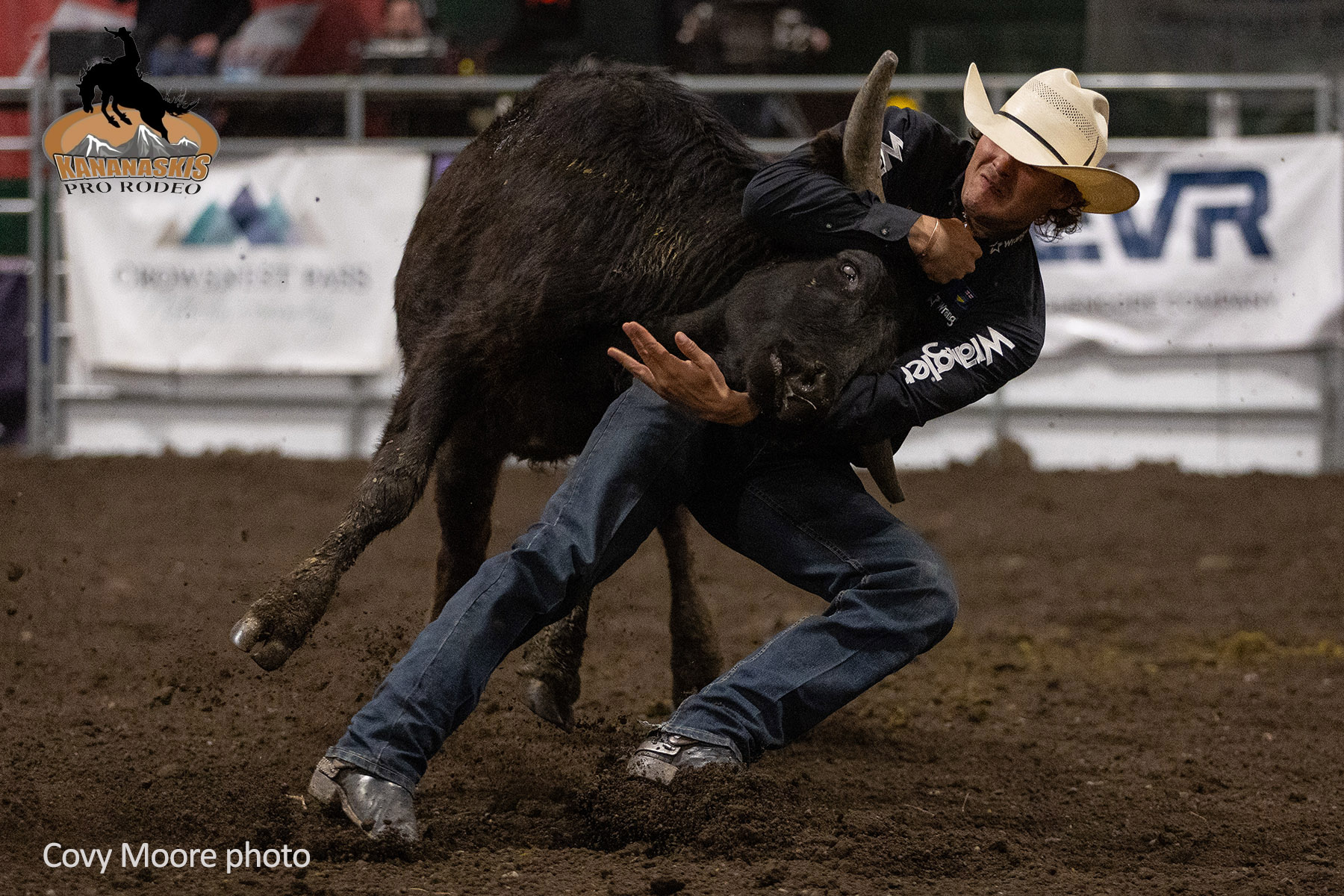
Ryan Shuckburgh. Kananaskis Pro Rodeo photo by Covy Moore.
Canadian steer wrestler Ryan Shuckburgh is enjoying early season success.
The Innisfail, Alberta bulldogger who finished second in Canada behind Scott Guenthner and 26th in the world in 2025 has a couple of boxes he’d like to check. A Canadian title and a National Finals Rodeo qualification are the top priorities.
And the productive start to his season has him nicely placed to close the deal on both of those goals. A couple of weekend wins on this side of the 49th parallel will help in both areas. Shuckburgh’s 4.7 second run at the Kananaskis Pro Rodeo in Coleman netted the eight year pro $2,334 and he split top honours at the Taber Spring Classic where he and Ben Mitchell turned in 4.0 second runs – giving each a $2,253 payday.
For Shuckburgh the double victories moved him to second place in the Canadian standings snapping at the heels of the early season leader – Pacean Deleeuw. And on the south side of the Medicine line, the five-time CFR qualifier entered the weekend in 16th place in the world standings. Depending on what some of the other contenders did on the weekend, Shuckburgh could head into this week in the all-important top 15 in the world.
It’s the best beginning to a season of his career, eclipsing the solid start he had one year ago when he finished up second in Canada and in 26th spot on the world stage. The 28-year-old points to a few changes he has made for the 2026 season.
“I’m trying to put less pressure on myself and that seems to be helping,” Shuckburgh noted. “I’m just trying not to think about things, just go out there and do it, treat it like it’s just another part of my day.”
In addition to the mental side of the game, Shuckburgh is also on a different mount for the 2026 campaign. “I’d been riding Eddie, Tanner Milan’s great horse, but Eddie was a little sore after the NFR and didn’t come down south this winter. I’ve been riding Matt Richardson’s good horse, “Miner,” everywhere and it’s been going really well. He scores great, he runs a good pattern and he’s fast. He just does all the things you want a good steer wrestling horse to do, and he gives you a chance to win every single time. When you’re getting horns every time, it’s up to you. You just gotta throw them down and hopefully you get paid.”
Miner came to Matt Richardson from the Wilsons in Cardston, Alberta – he’s a Ninety Nine Goldmine bred horse out of the Beierbach program at Maple Creek, Saskatchewan. As for his double-win weekend, the veteran bulldogger was philosophical.
“It’s kind of boom or bust in the spring up here in Canada. The steers are older and a lot of them are good but there’s dang sure ones you want and ones you don’t want. I drew a couple of good ones and it worked out great.”
As for those goals he referenced earlier, that part hasn’t changed a lot. “Obviously, it’s good to go to the CFR every year and that’s a huge deal and the NFR has been a goal of mine for a long time. I’ve got a lot of confidence in Matt’s horse and I’ve got a pretty high batting average on him, so we’ll see how it goes. But as I said before, I don’t want to put too much pressure on myself. Everywhere you go it’s the same blue chute with a steer in the chute and a barrier strung in front of you and away you go. We’ll see where we’re at in October.”
And while it’s only April, the start Ryan Shuckburgh has to his season is certainly reason for big-time optimism as the 2026 rodeo season rolls on.
And the Canadian saddle bronc riding machine that keeps producing talented young riders year after year hasn’t, apparently, slowed down. Latest off the assembly line is the third-generation cowboy – Blain Pengelly. And like Shuckburgh, the talented rookie collected a pair of wins, riding Big Stone Rodeo’s Rubels to 83 points and a split of the win at Taber, good for $1342, then making the trip over to Coleman for a big-time 86.5 point ride on Duane Kesler Championship Rodeo’s Double Red to pocket another $1,237. The $2,579 weekend will allow the Caroline, Alberta product to forge a commanding presence in both the rookie and permit standings.
Look for all weekend winners and unofficial results at rodeocanada.com
Next up on the CPRA spring schedule is the Drayton Valley Pro Rodeo May 1-3 and the Brule Xtreme Broncs event May 2 at the Hinton Rodeo Grounds.
Intracytoplasmic sperm injection, better known as “ICSI” breeding, is the latest buzzword in the world of equine reproduction. Here’s why horse owners are seeing a wide range of advantages in this advanced repro technique.
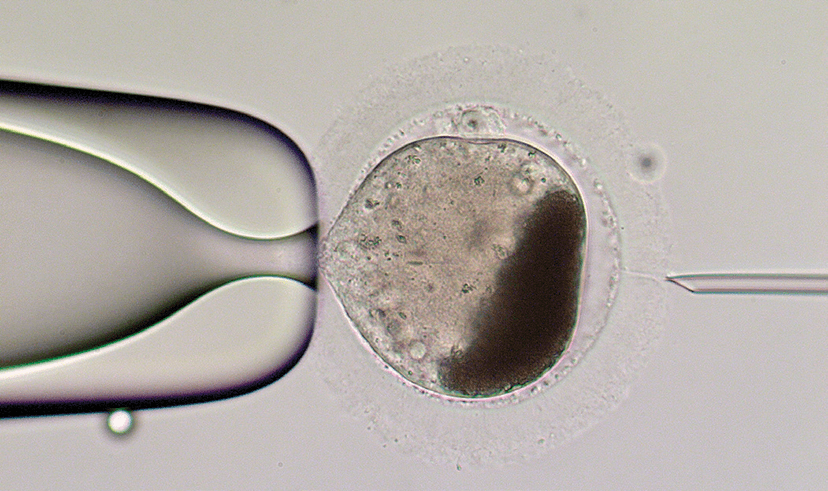
The injection process. (CREDIT: AQHA, courtesy of Dr. Bob Foss)
Intracytoplasmic sperm injection, (better known as ICSI,) has become a option available to horse owners in the breeding game. Although the practice has been around for many years now, the practice of ICSI is becoming more socially accepted as a breeding option. Utilizing only a single sperm from a stallion, the practice is helping to extend the breeding lives of both mares and stallions.
However, ICSI is a complicated procedure requiring special expertise and equipment – and it’s not without risk. Here’s a generic look at this breeding alternative, along with some other considerations you will want to evaluate before signing your horses up.
ICSI is a technique for in vitro fertilization in which an individual sperm cell is introduced into an egg cell. CREDIT: Jenn Webster
WHAT IS IT?
ICSI breedings are quickly becoming an important field of advanced reproduction in horses, as owners are realizing the value it presents in preserving championship genetics. It’s important to note that cloning and ICSI breeding are not the same thing: In ICSI reproduction, the nucleus is derived from a normal egg and followed with fertilization by a normal haploid sperm.
Cloning / nuclear transfer involves taking body cells from an adult horse and introducing them into an unfertilized egg that has had its genetic material removed, followed by embryo development.
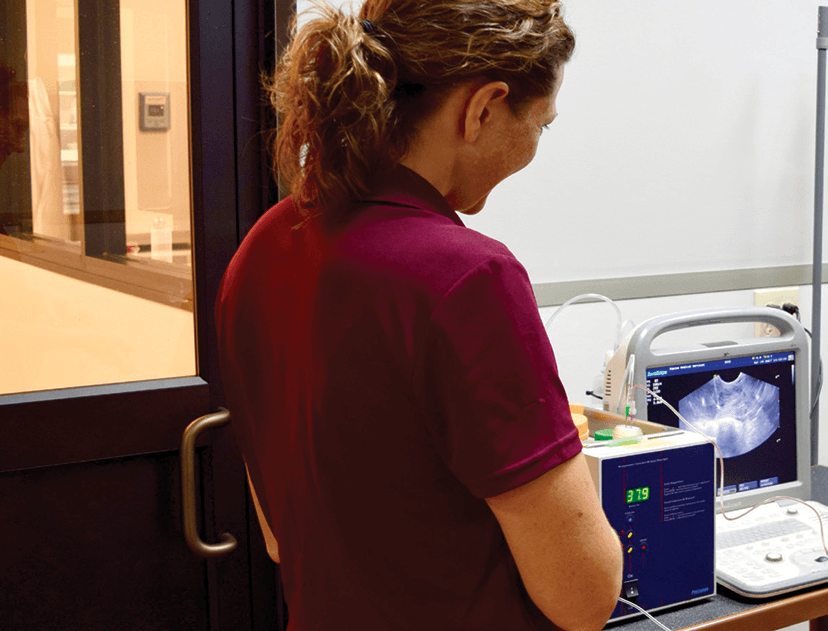
One of the major advantages of ICSI is that it can help produce foals from older mares, or mares with breeding challenges. The process involves aspiration of the mare, in which a needle is guided through the flank of the mare to her ovary, or via ultrasound through the vagina. A mature oocyte is collected and injected with only a single sperm. Immature oocytes can also be collected, but they then must be cultured to maturity.
As only a single sperm is required from the stallion, stallion owners are also seeing the benefits of ICSI for horses with low quantities of semen, or for stallions that have died and only a small amount of frozen semen is left.
Problems occurring as a result of ICSI breeding are rare, but can happen. Scarring of the ovary can take place after multiple perforations, or secondary problems can result from inserting the needle into the mare’s abdominal cavity, which is why it’s recommended not to utilize ICSI if your mare can be bred by conventional methods instead.
Overlooking the ultrasound of a mare undergoing the ICSI process. (CREDIT: AQHA, courtesy of Dr. Bob Foss)
THE RULES
It’s important to completely understand the association rules surrounding ICSI breeding, before employing the process. Often, resulting foals must be parentage-verified before they can be registered.
ICSI breedings can cost anywhere from $5,000-$15,000 so it’s important to properly evaluate whether the risks are worth the potential foal. For many horse owners with animals of highly in-demand genetics, the answer is often “yes.”
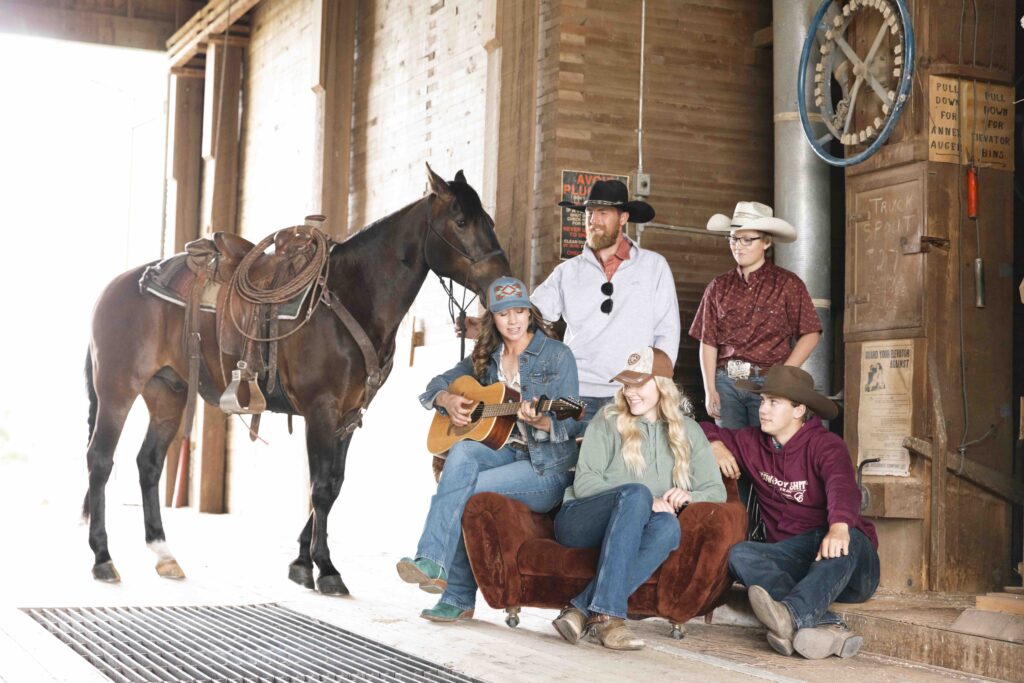
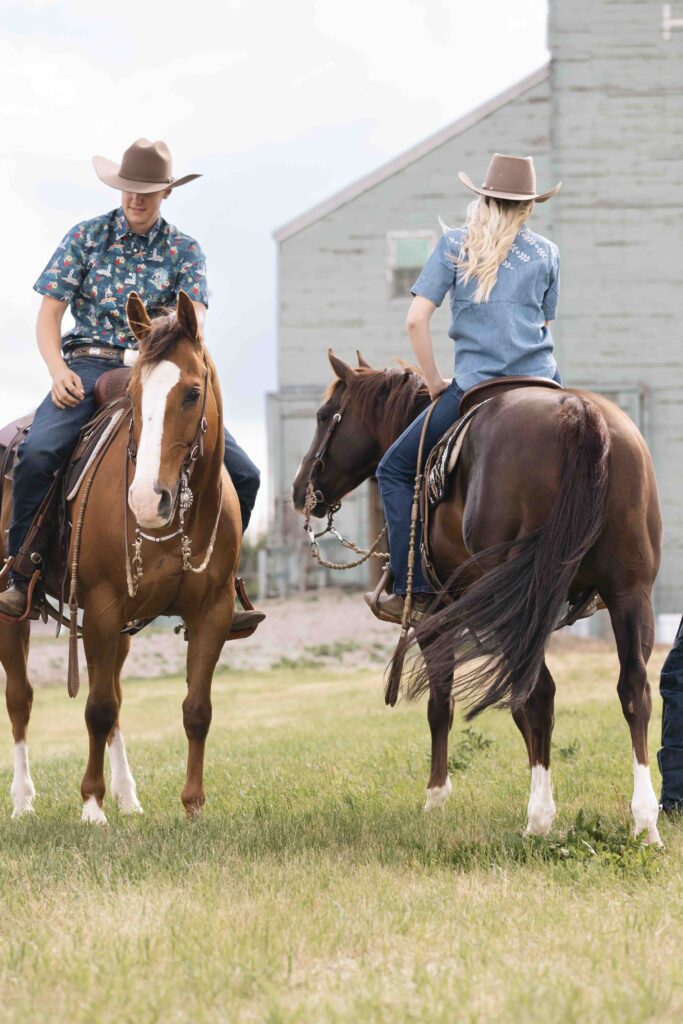
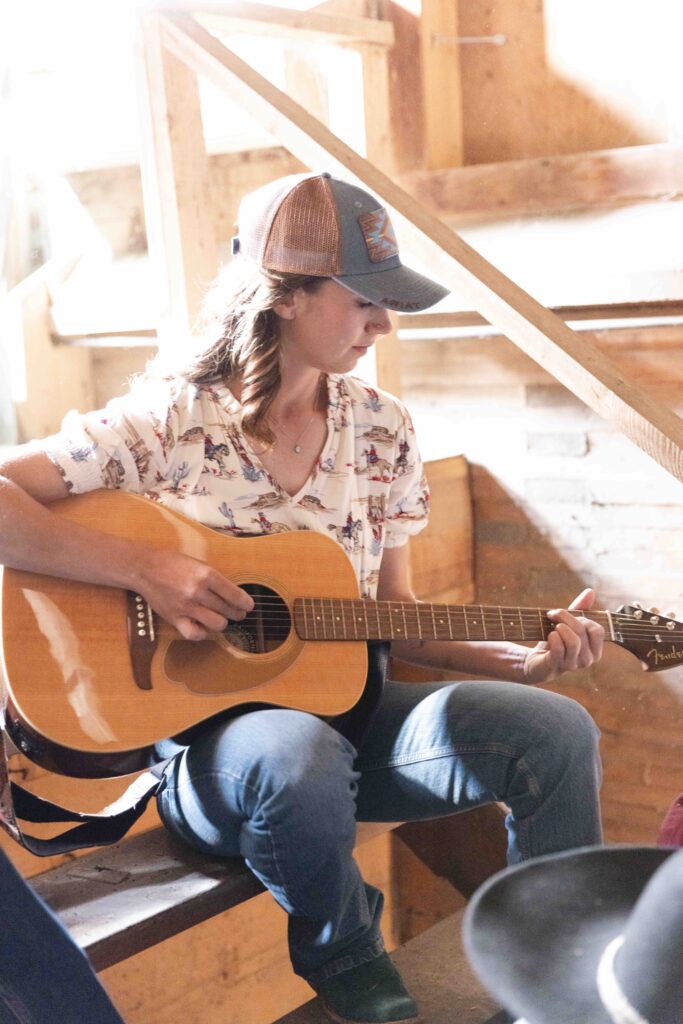
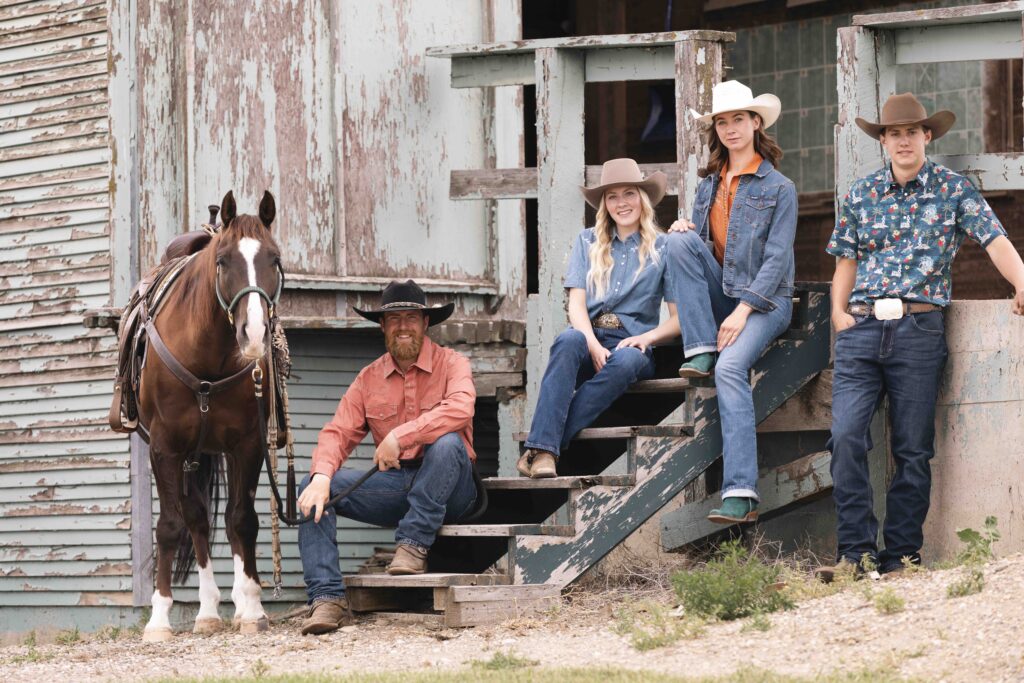
Cooler than a creek in July, these country kids know how to live their west life.
All outfits provided by Lammle’s Western Wear.
Models are Arizona McKenzie, Justin Jones, Jessica Wolfs & Nicholas Lorieau
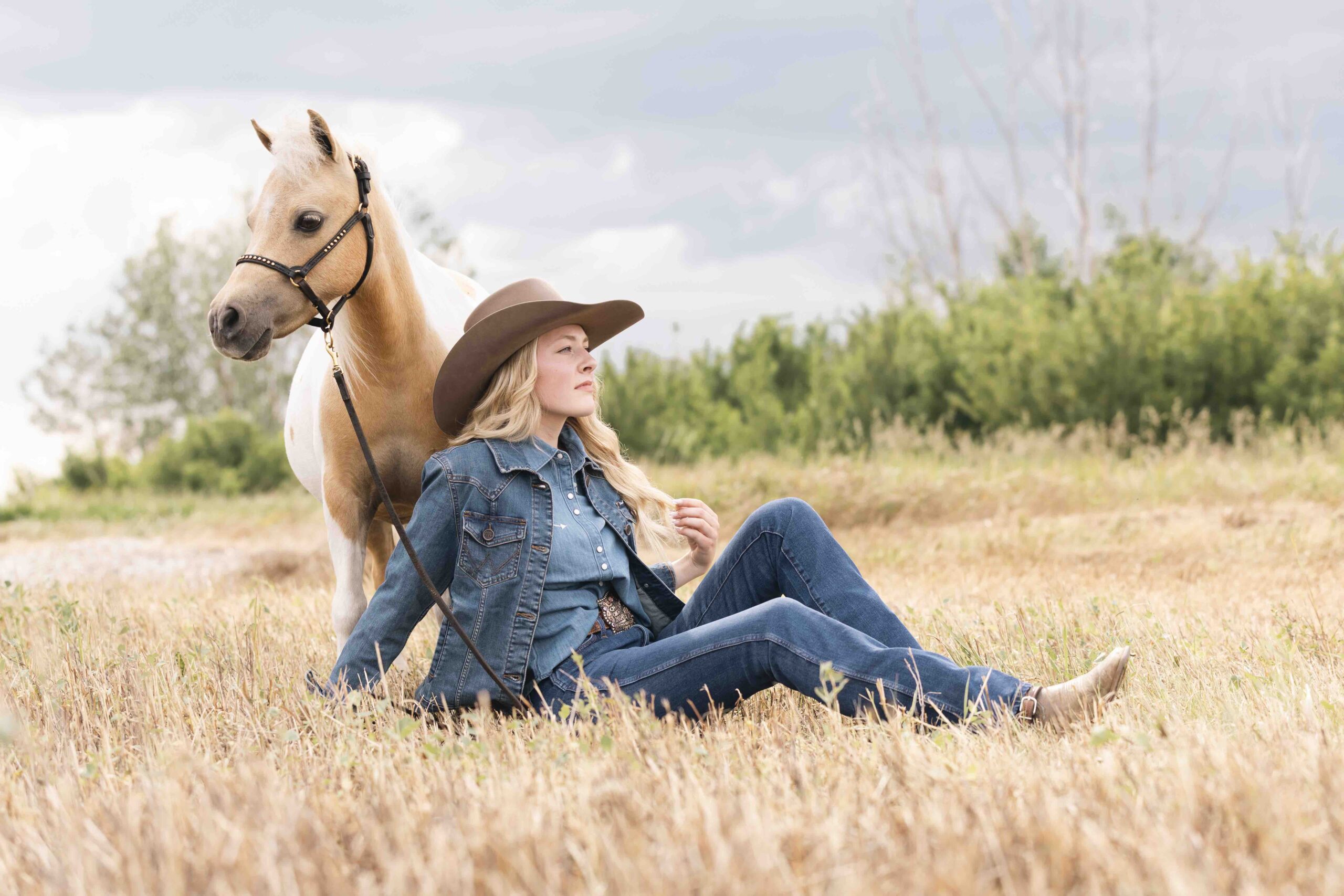
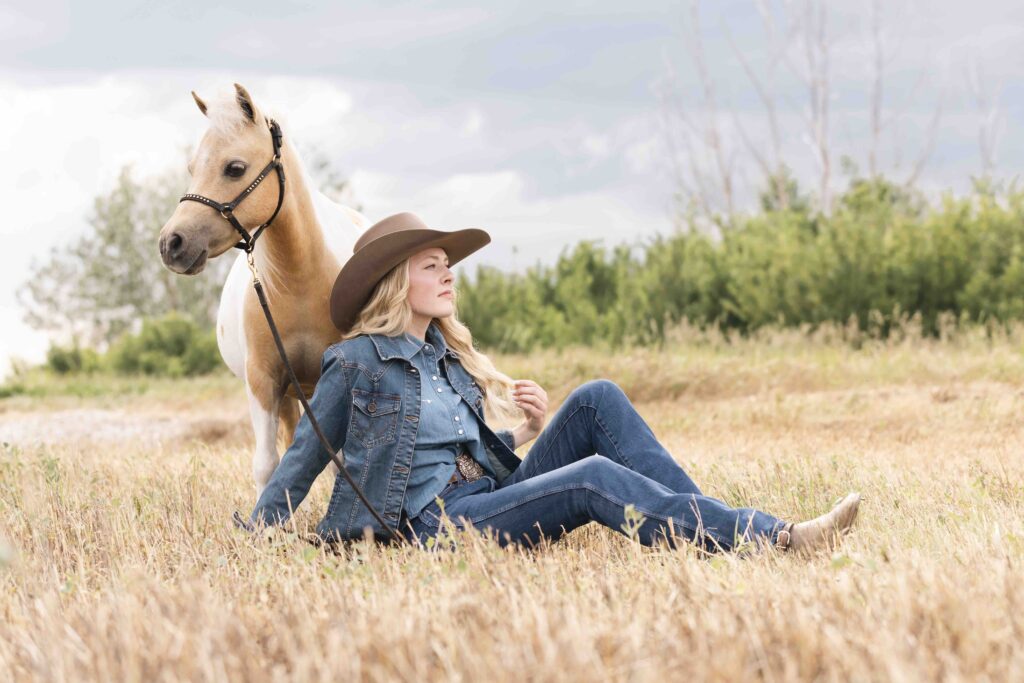
Special appearance by “Fancy,” our palomino Miniature Horse model.
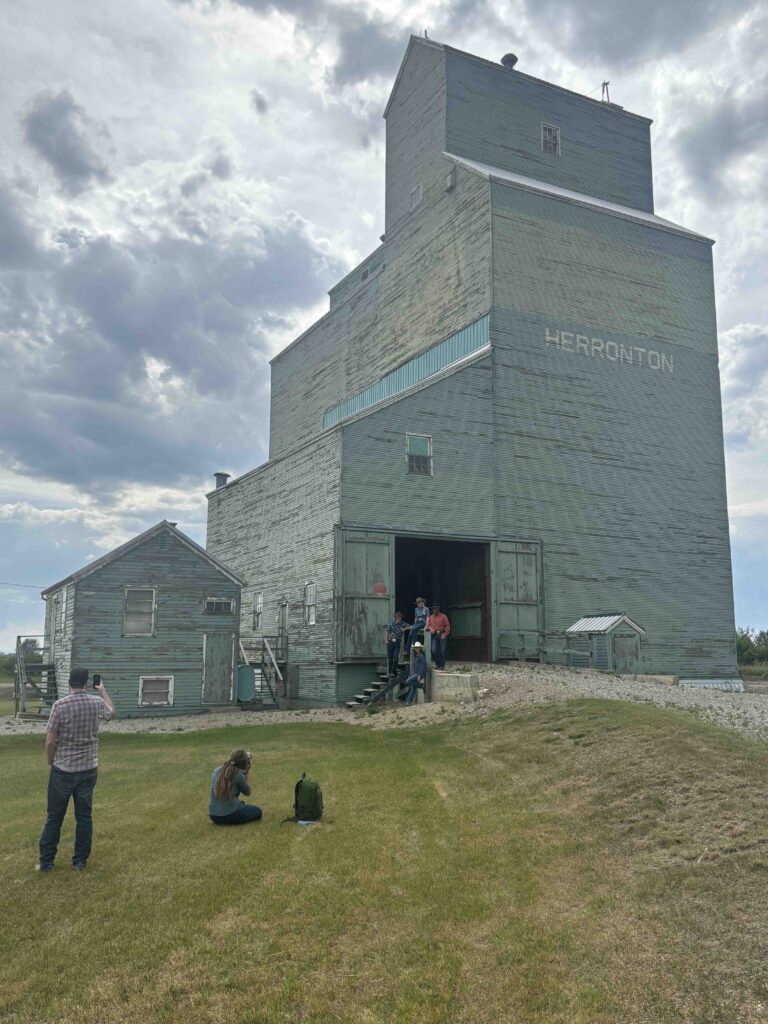
Shot on location at the Herronton, AB, grain elevator owned by Kelly & Llana Malmberg.
Late in the summer of 2025, Kelly and Llana Malmberg granted Western Horse Review the opportunity to use their privately-owned grain elevator for a fashion shoot. As my grandfather used to work in one of these prairie fixtures years ago, this photojournalism piece is a nod to our heritage – with the youth of today. What a special feature it was for us to put together with Lammle’s Western Wear.
Wrangler Women’s Retro Mae mid-rise bootcut jean, $110; Cruel Girl Denim short-sleeve with faux smile pockets, in slate blue, $90; Wrangler Women’s classic fit jean jacket in stonewash, $99.
It was pretty cool to step back in time and visit one of these “Prairie Sentinels,” especially one so well preserved.
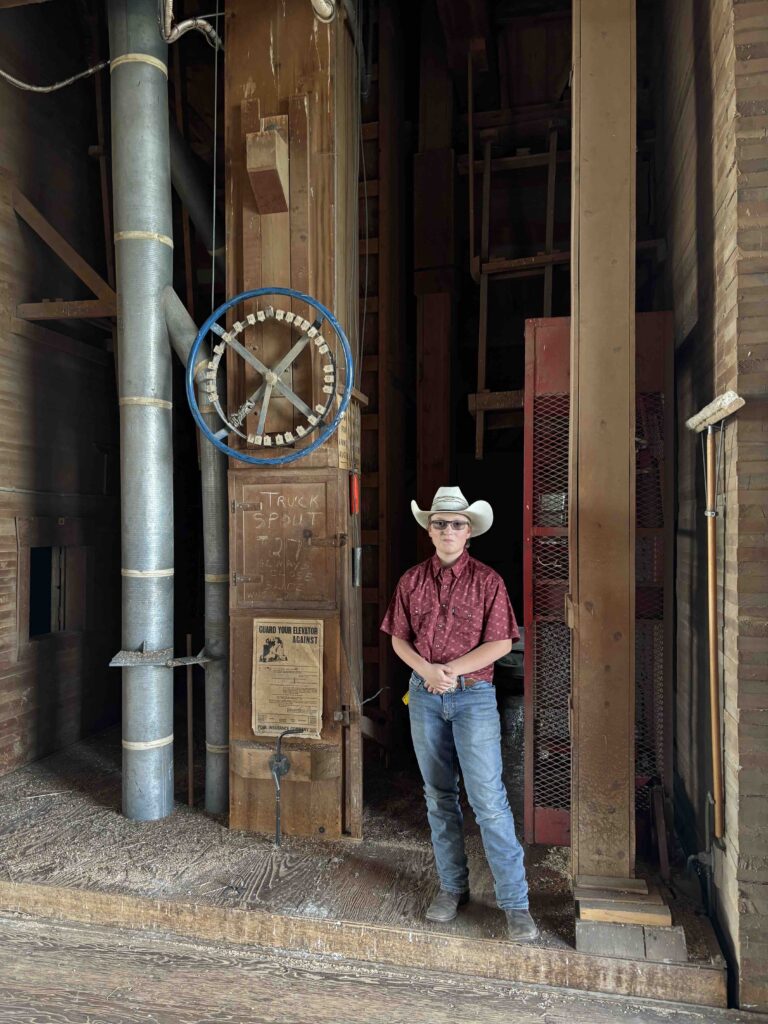
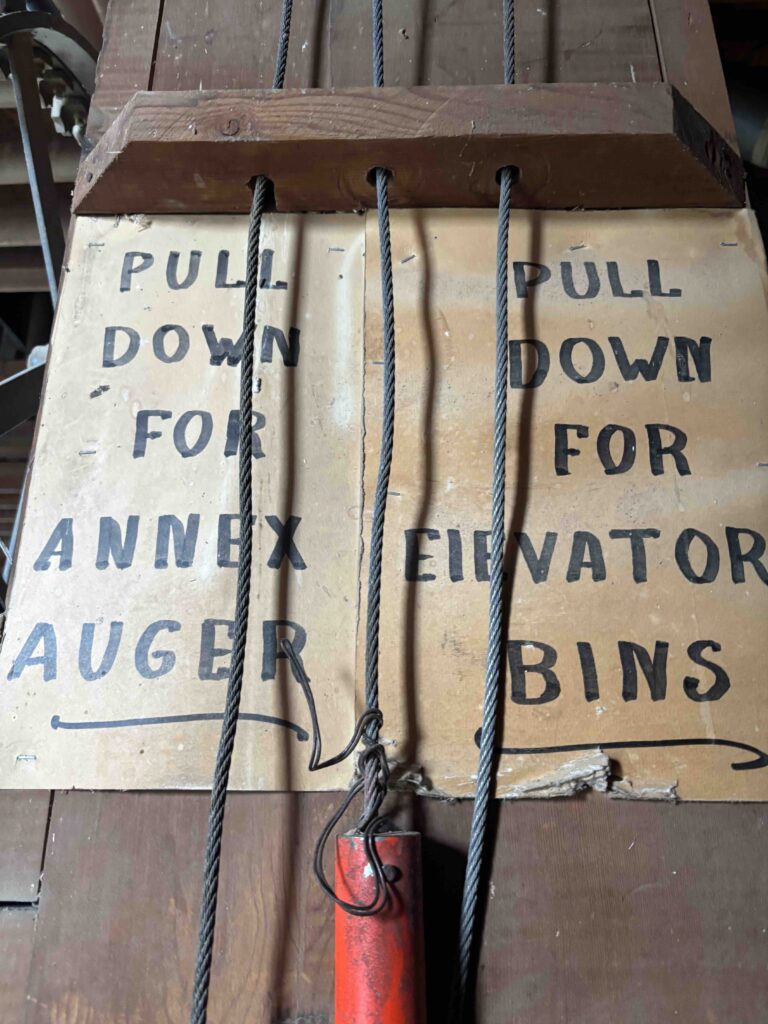
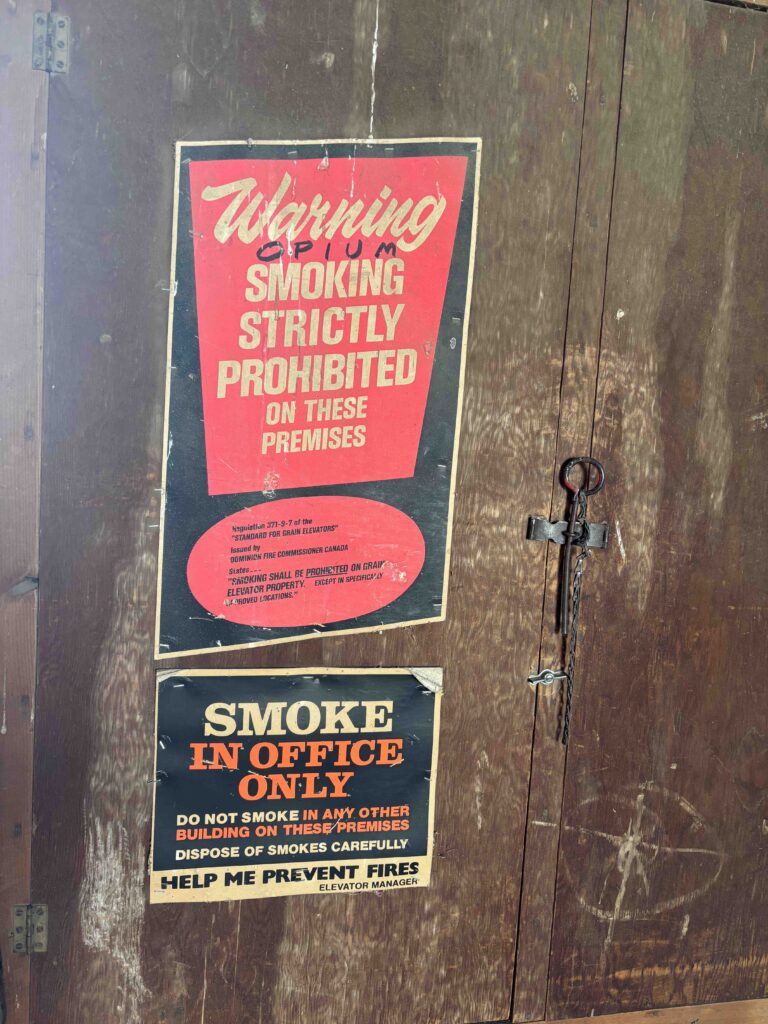
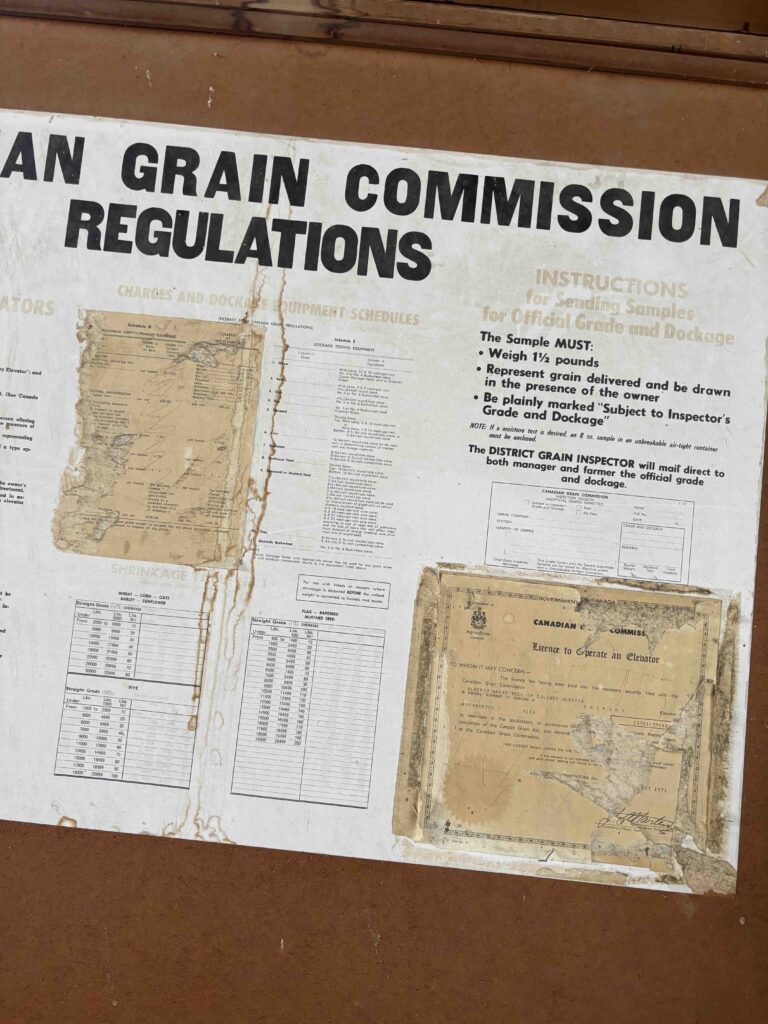
Along with our highly talented crew of young models and their horses, we stumbled across old posters and work orders – things that were typical of these wood-cribbed, structures of yesteryear. (I didn’t realize smoking opium was so common back then, that it required an actual sign…)
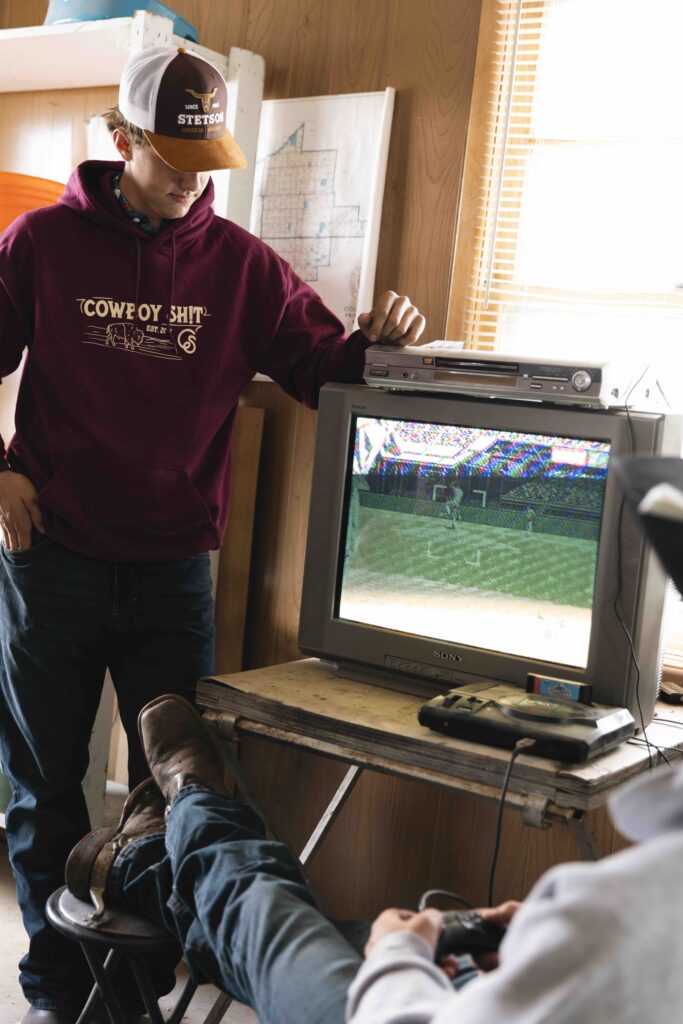
We also came across an old game console, which our models quickly latched onto – wanting to know if it still worked. Low and behold, it did! And through the staticky old screen of a Sony television set, a vintage game of baseball began.
The back country doesn’t care how experienced you are. It only cares how prepared you are.
Tim Hiller is a cowboy of many trades. Hailing from Hay Lakes, Alberta, Hiller has spent many hours in the saddle.
When working in the remote Canadian wilderness, Hiller knows how imperative it is to be prepared. Where he treads, the environment is frequently unpredictable and rugged. Weather can change in an instant. Cell service is often limited and in the event of an emergency, help is typically hours (or perhaps even days) away. Still, Hiller has a job to do. He must fix fences and ensure that cattle, horses and people all arrive safely at their destinations.
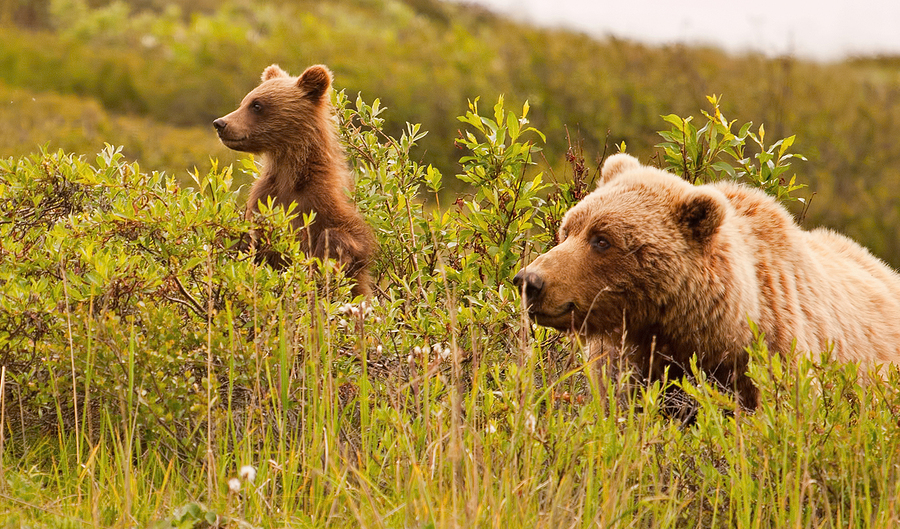
With years of experience pushing cattle in remote areas, the safety items in Hiller’s packs are non-negotiable. On long rides, he knows it’s possible for riders to encounter wildlife hazards, equipment failure, navigation errors , allergic reactions and heat stroke. Horses too, can throw a shoe mid-ride, get tangled in the brush, become lame – or, spook and run off, with or without their rider in the saddle.
(Are we having fun yet??)
In the Canadian wilderness, preparedness is not only wise, it can make the difference between life or death. Here are Hiller’s checklists for departure.
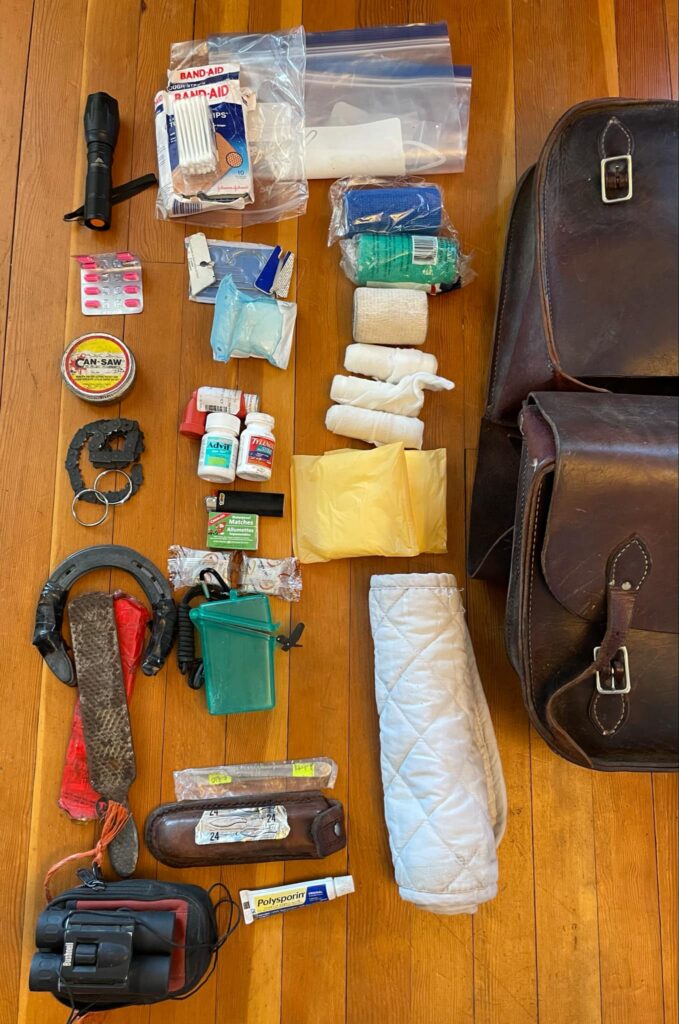
CANTLE BAG
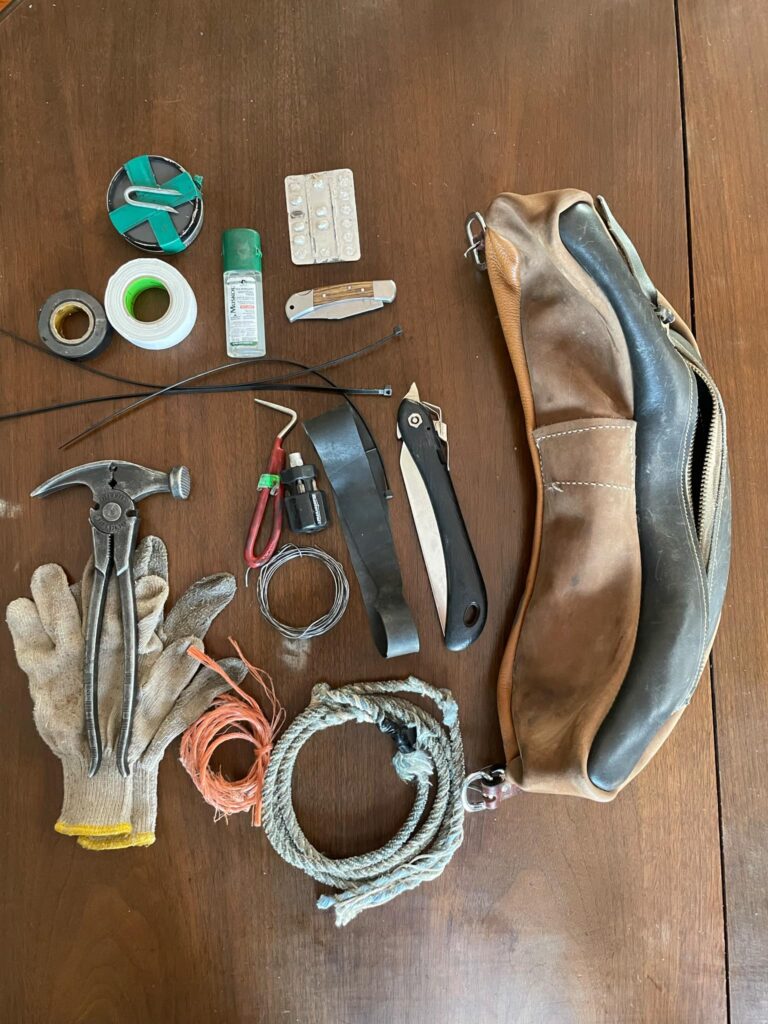
“This cantle bag stays on my saddle at all times,” says Hiller. “And these are items I keep in that bag all year-round.”
Small tin or old Snuff can of fence staples.
Electrical tape and hockey tape.
Bug spray.
Pocket knife.
Allergy pills.
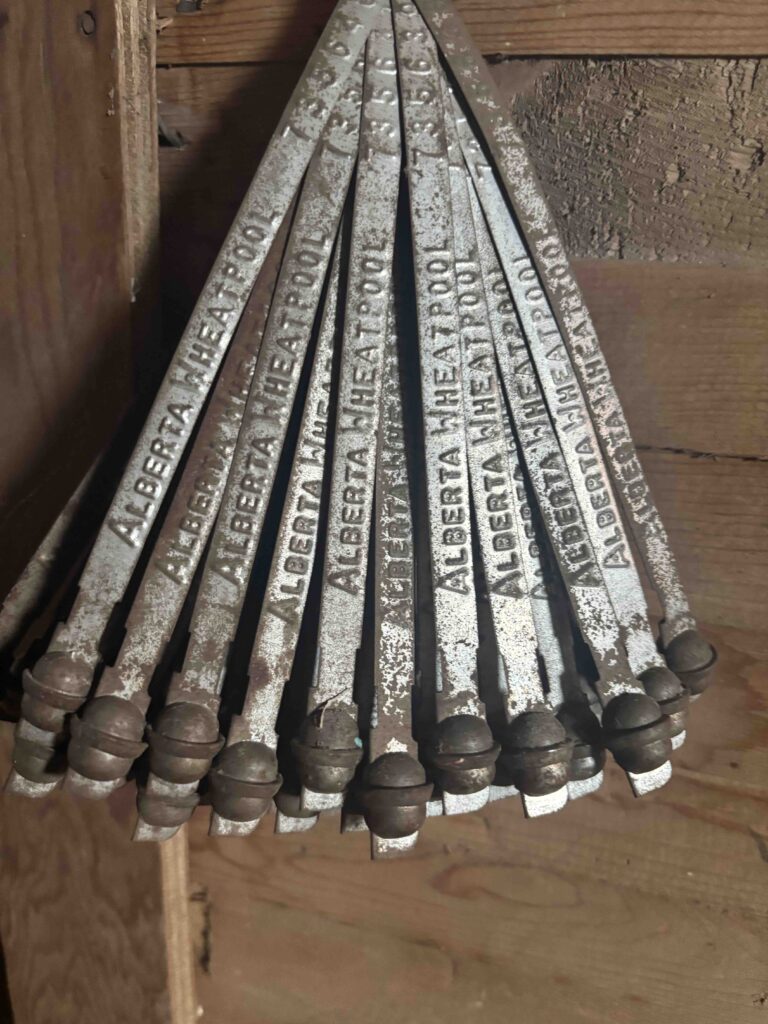
Heavy-duty zip ties (long) (*They need to be long enough to go around and secure a calf if you must leave one behind on a drive.)
Blamer – the most important tool I have. I can use this to fix fence, pull bent shoes or nail on a new one for my horse on the trail.
Cotton gloves.
Hoof pick.
Small screwdriver with extra bits.
Bailer twine.
Heavy-duty rubber band.
Hay wire, small role – used to replace lost Chicago screws, create make-shift chin straps or repair fences.
Fishing Line – 25 feet (or longer) fishing line, to use for stitches. (*Please be mindful of the fact that over time, stitching or suture thread can deteriorate. If you choose to fill your pack with these options instead, be sure to check on them every year before use.)
6-foot piggin’ string. I simply remove one strand from an old three-strand lariat, so it’s soft enough to tie and long enough to doctor big, ol’ cow legs.
SADDLE BAGS
Vet wrap.
Medical tape.
Gauze rolls.
Polysporin.
Medicines – These include an inhaler, Tylenol and Advil.
Heavy-flow feminine pads with wings. (These are very good to use on open wounds.)
Cotton leg wrap and outer bandage (or commonly referred to as a “stable wrap.”) Used to reduce swelling on a horse’s leg until you can return back to camp or home.
Allergy pills.
Can-Saw – This is essentially a pocket-sized or foldable saw. I use it to cut fallen trees we may come across that block the path and are too big for a pruning saw.
Front and rear horse shoes. Ideally, you would keep a set of pre-formed shoes that fit the horse you are currently riding in your saddle pack. When trail riding, it’s easy to “clip off” a front shoe when riding in deep root trails. Conversely, it’s also easy to “step” off a rear shoe of another horse when following too closely. Therefore, an extra set of shoes for your mount on long treks may prove to be invaluable. Tape several 16” shoe nails on to the shoes to ensure you have something with which to secure them.
Used rasp. This addition is not necessary but when cut-to-size to fit inside a cantle bag, it can come in very handily for many things.
Pruning saw. For small deadfall on the trail and long hooves on old cows.
Binder twine. To keep your jeans up – or any number of other things.
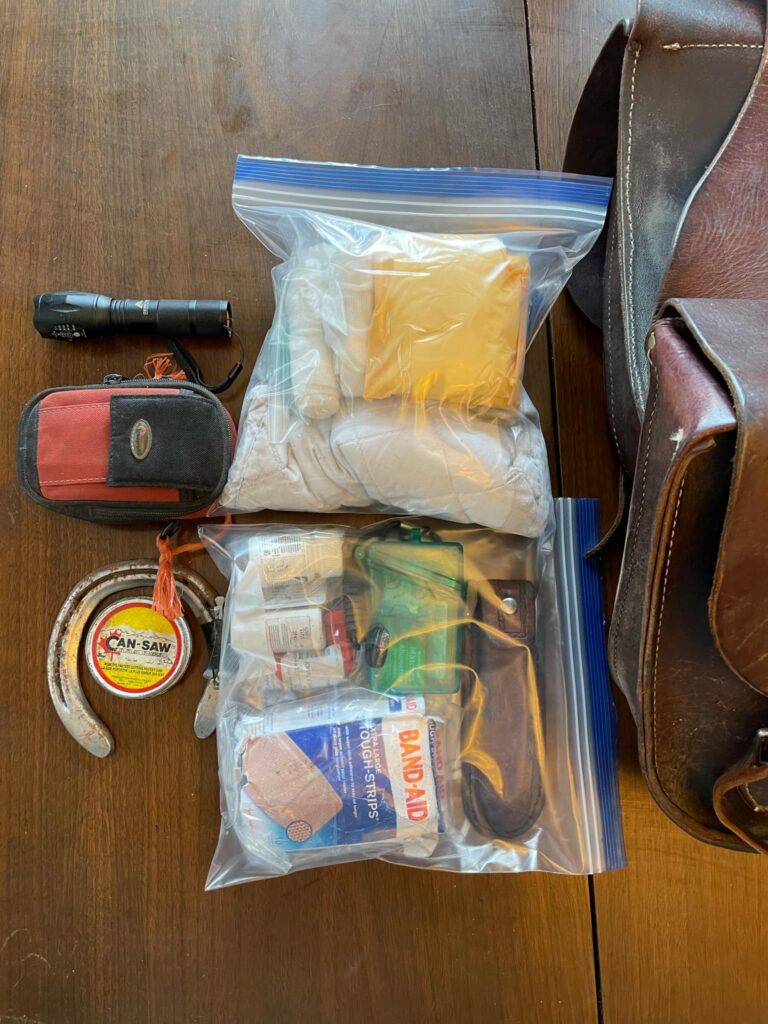
All packed up and ready to be inside a saddle bag.
MED KIT
The contents of Hiller’s Med Kit stays in one of his saddle bags at all times, during long rides.
Working flashlight.
Band-Aids and Q-tips.
Benadryl. The children’s chewable type has a longer shelf life and is less likely to spill in your pack, than the liquid. This is a lifesaver when it comes to allergic reactions to bee stings or contact with certain plants.
Thick, strong curved sewing needles. These are used to sew horse hide cuts and wounds. They are very important for closing serious wounds.
Bic lighter, water-proof matches and fire-starter. Zip Fire starters are my go-to, but any starter can work. Cotton balls soaked in Vaseline work well and can be rolled between your fingers to make a wick.
Water-tight container. To store your matches and fire starter.
Scalpel and new, sanitized blades.
Polysporin. Can be used on horses or humans.
OPTIONAL:
Binoculars.
EpiPen. For life-threatening, allergic reactions in humans.
Extra reading glasses.
Winter gloves.
You never know what you might come across in the back country.
WHY IT MATTERS
Weather can change in an instant, even in summer.
No cell service in many back country areas.
You are far away from home and might be on your own for hours or days.
Horses can become injured or spook.
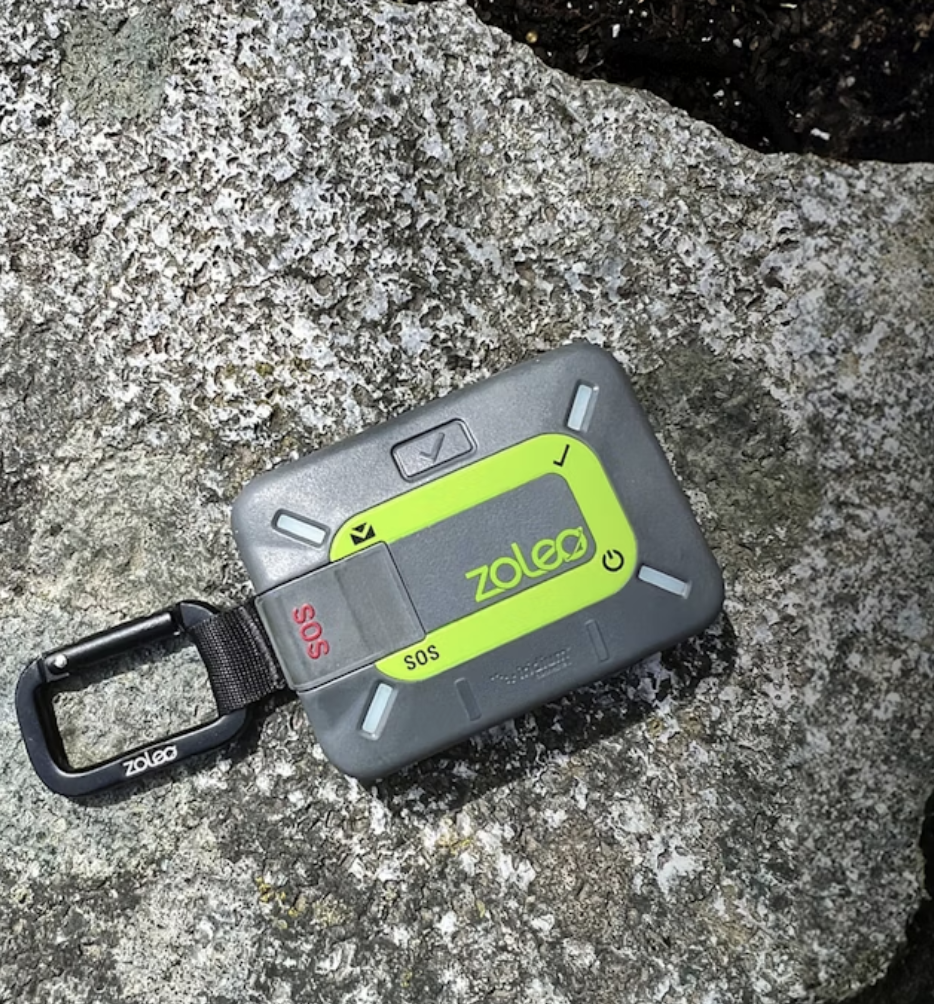
SATELLITE COMMUNICATOR
“I carry a Zoleo Satellite Communicator for emergencies in the back country,” states Hiller. “With it I never have to worry about not having a cell signal and the device can download maps as well. Satellite phones are getting better every day.”
Hiller says he purchased one for himself after witnessing a harrowing experience that required helicopter and first-responder assistance.
“One of the riders in our group had her horse lay down to roll with her at a river crossing. An older fellow rider used his satellite phone to reach out for help and they came with two helicopters. One helicopter could get into harder-to-reach places and relocated the victim to a spot where the air ambulance can land. In that instance, the ambulance was able to land in a gravel bar close by, so the other chopper just circled and left. After that I purchased one for myself.”
Need some Easter inspiration? A simple gift for this blessing of a holiday, is the best kind 🐣
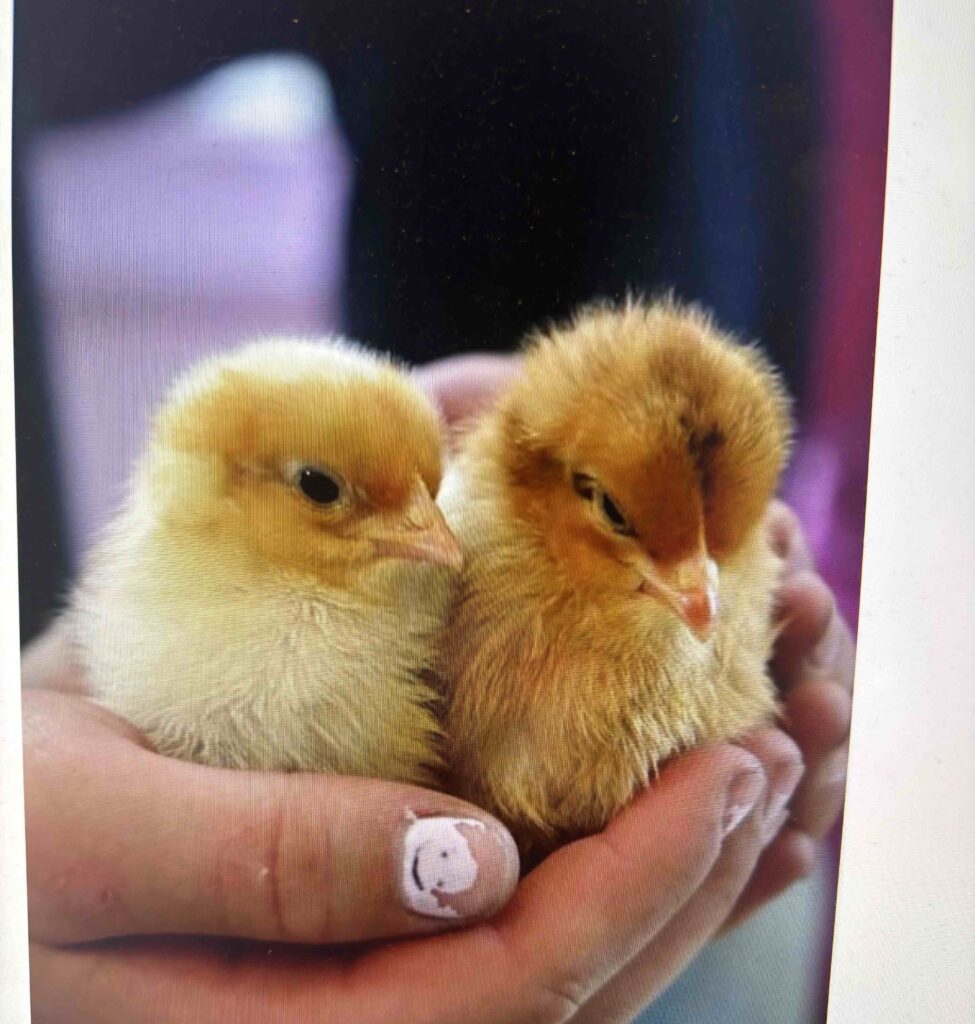
I love this time of year. Spring is just around the corner, (even if it won’t stop blizzarding here in Alberta!) A fresh new start is imminent – and the baby calves, chicks and foals hitting the ground right now are proof.
If you’re looking for a heartfelt gift for someone this Easter (one that won’t break the bank,) here’s an idea for you.
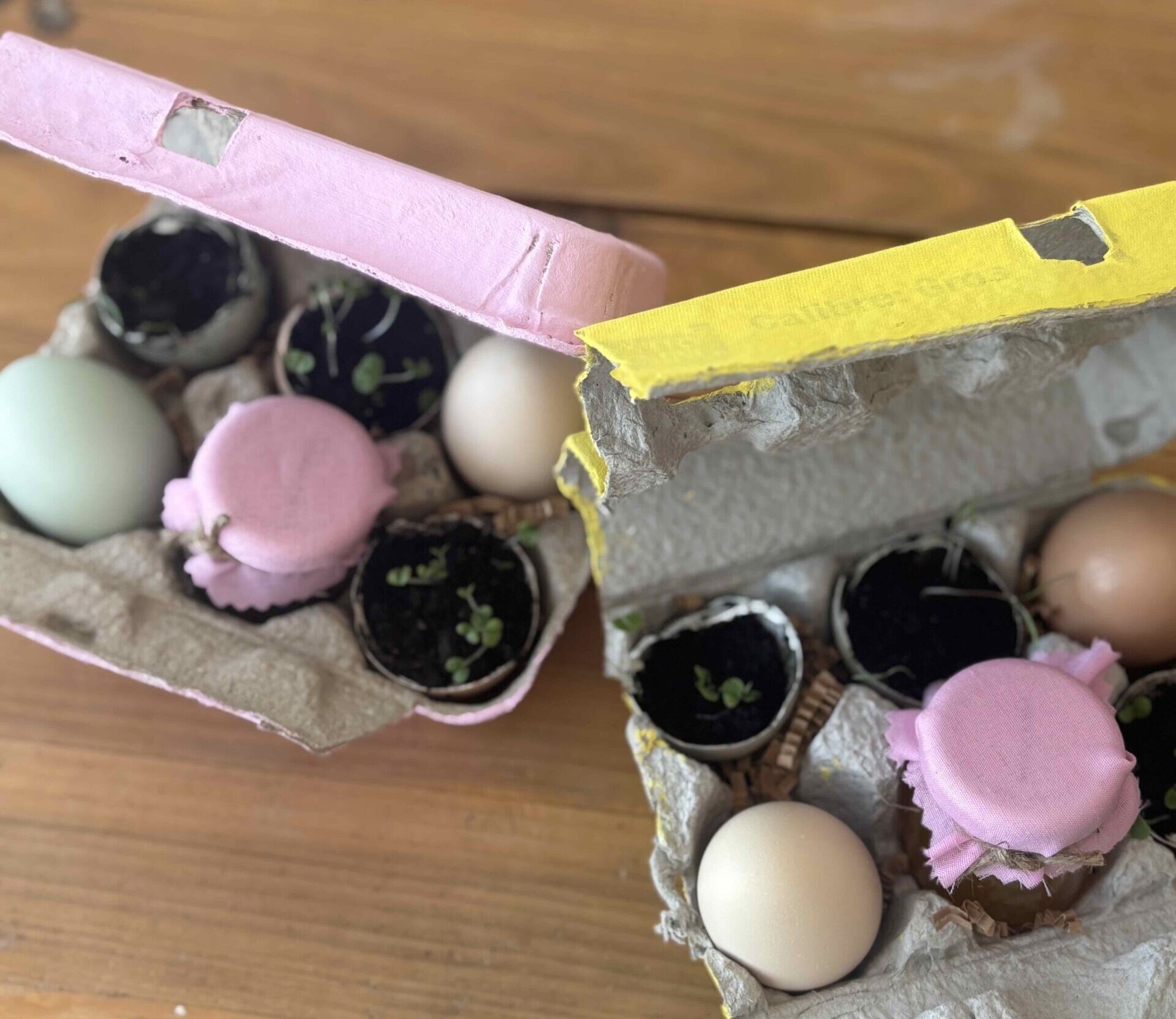
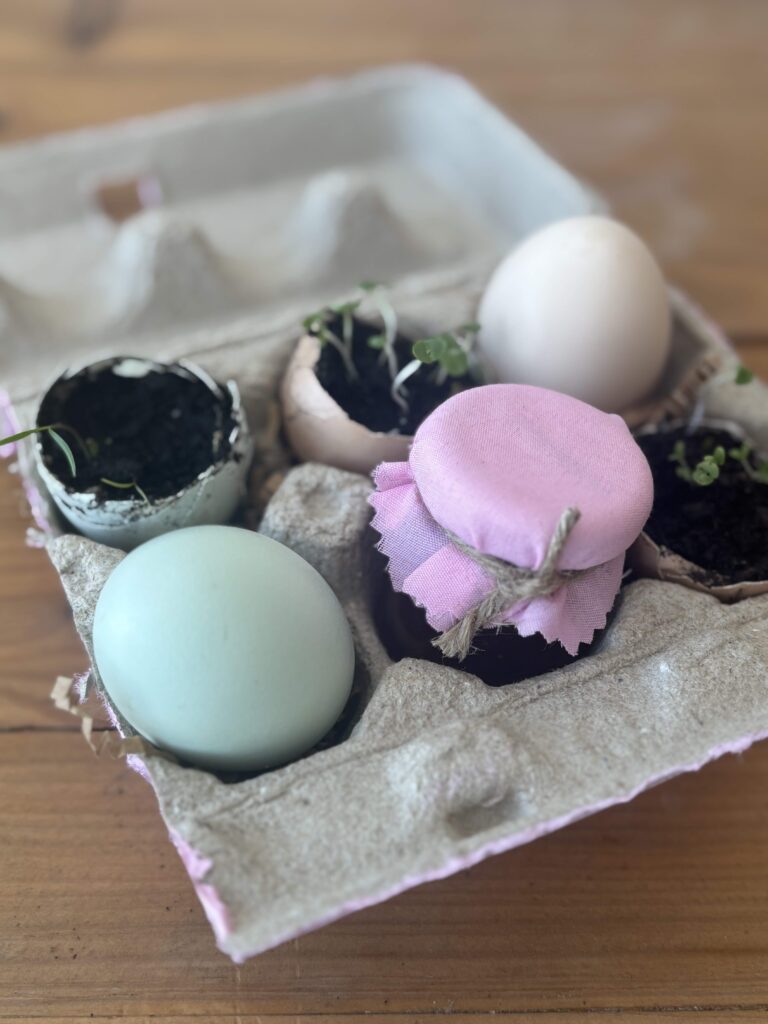
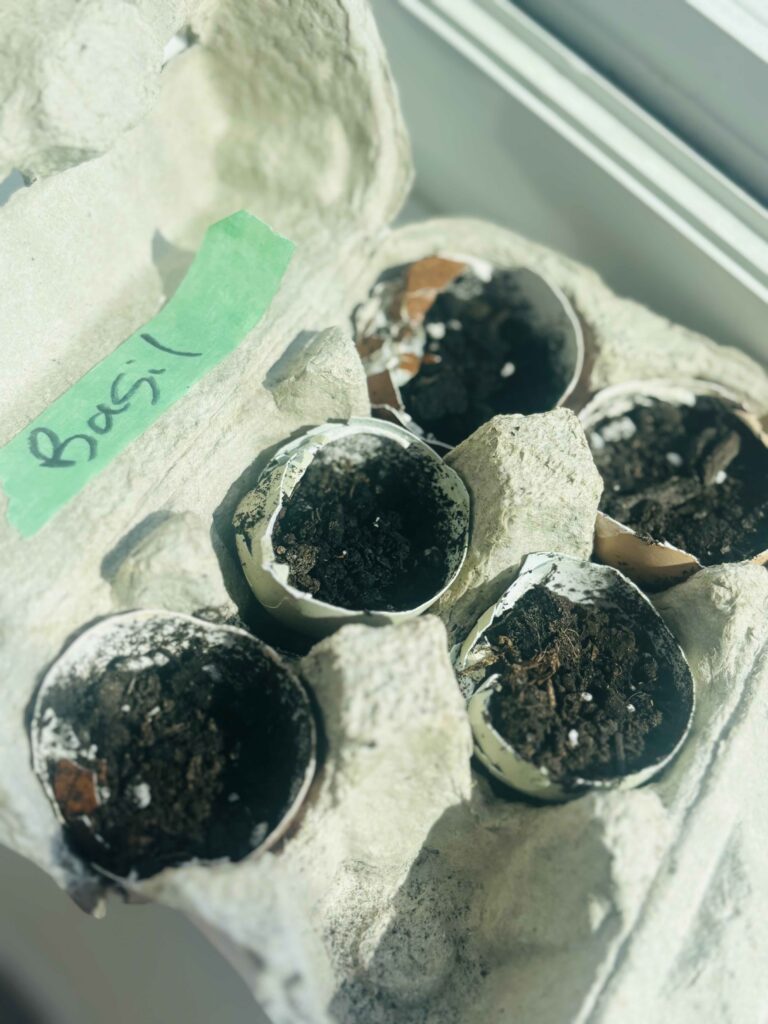
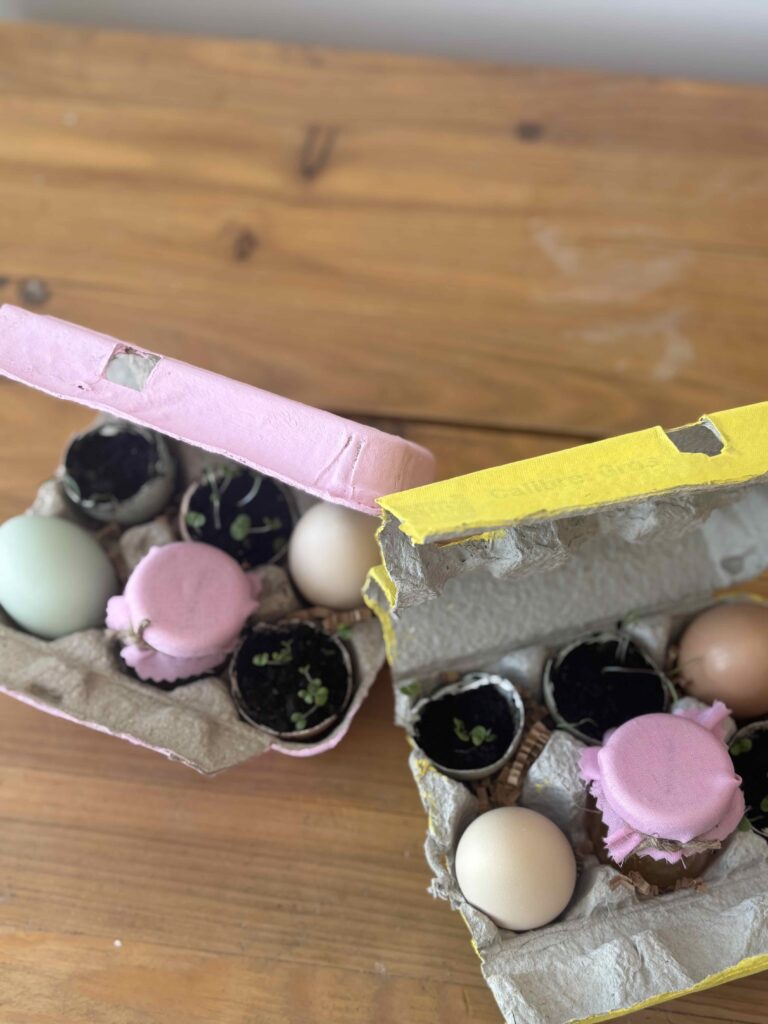
First, you’re gonna need some seedlings. A great way to get a head start on your garden this year is to plant seeds in eggshells. Eggshells are rich in calcium carbonate, which is awesome for strong root development! Plus, using eggshells as natural planters adds an extra boost of nutrients to your soil as they decompose.
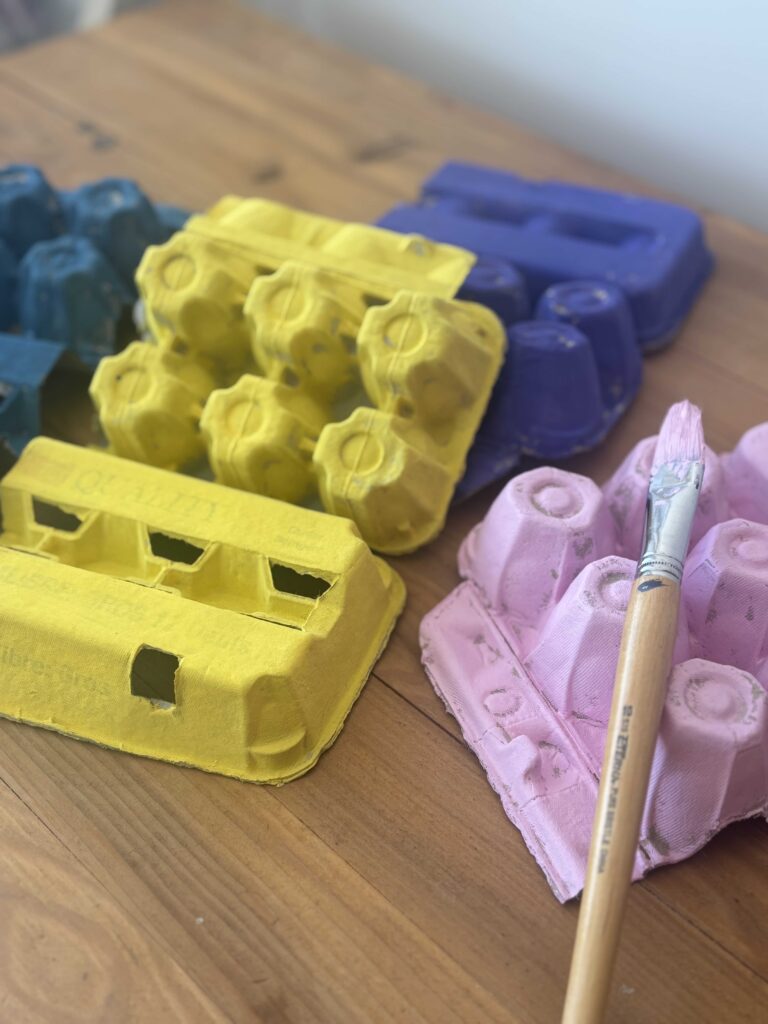
Next, repurpose some old egg cartons with a coat of paint. Choose whatever colour you like and for extra, “Parent Bonus Points,” have your kidlets help to paint them.
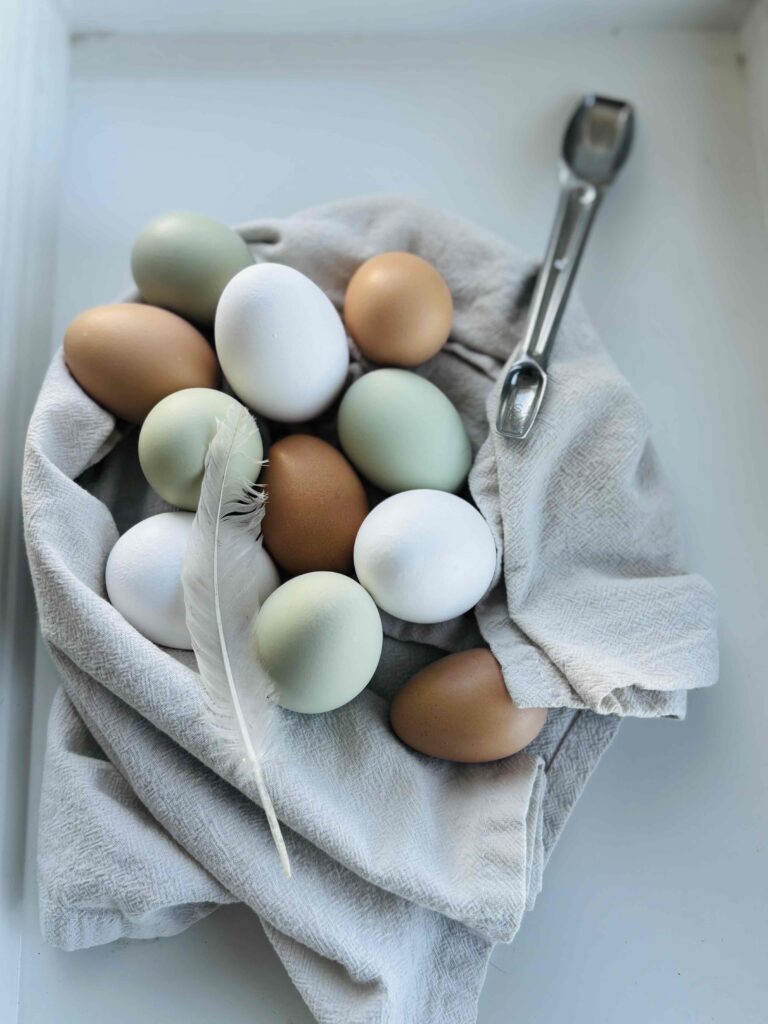
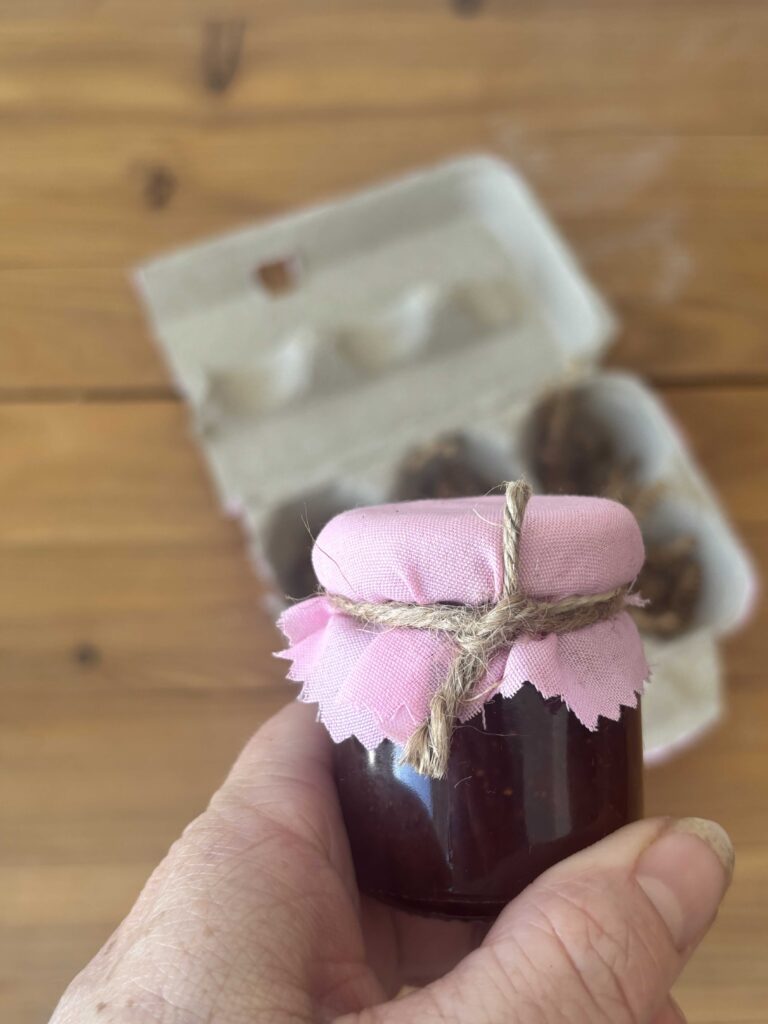
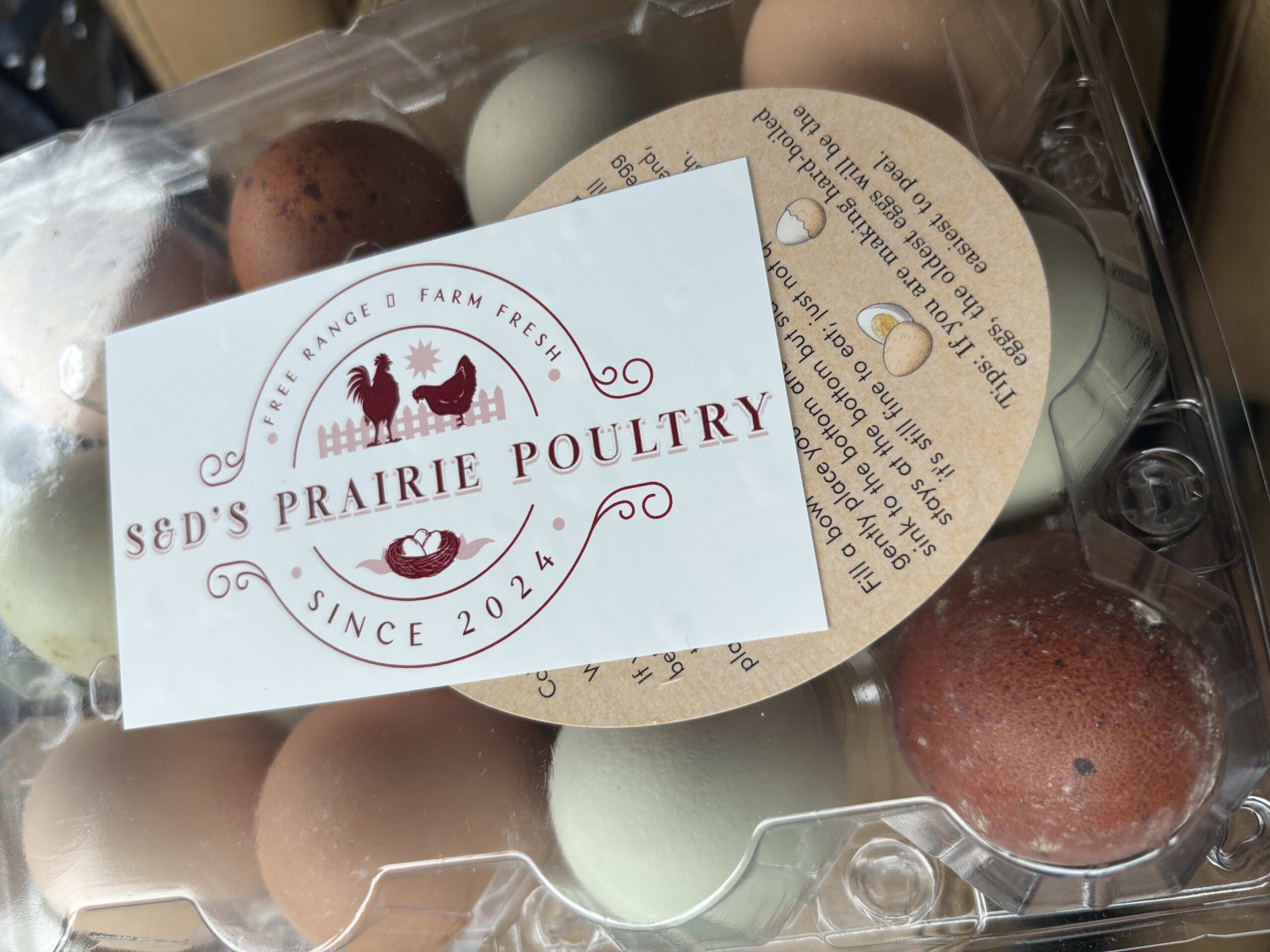
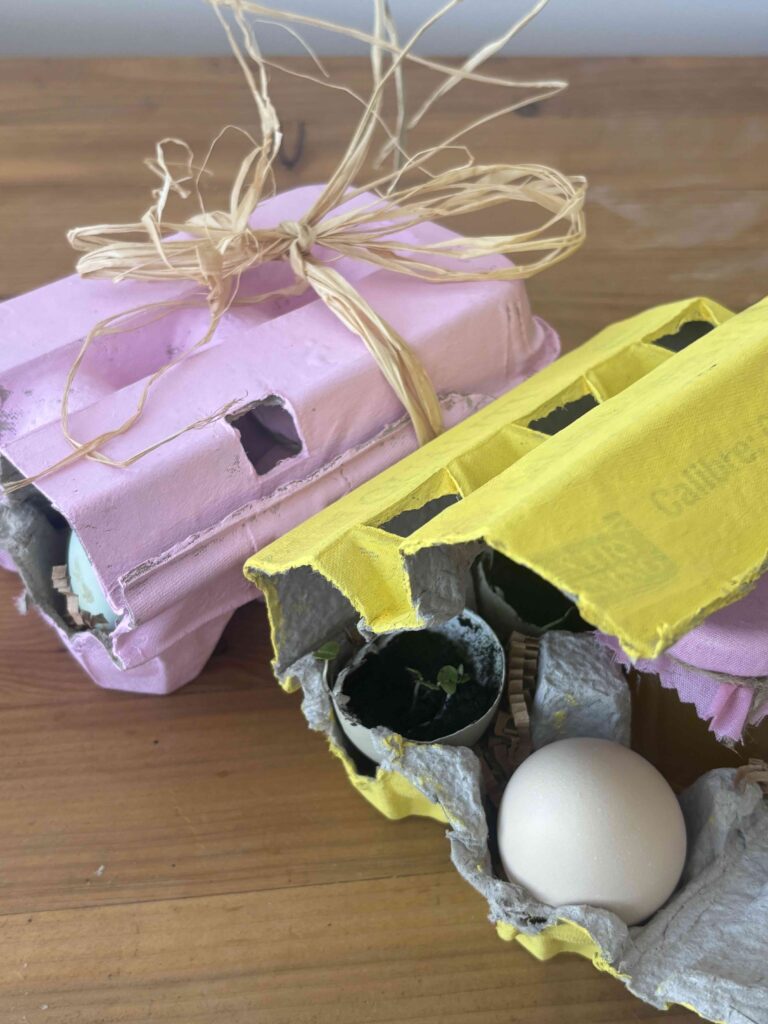
Chocolates, tiny preservatives, small candles and seedlings in eggshells fill up the dimples in the cartons nicely. I chose to fill up any extra spaces with actual farm eggs from my neighbours, S&D’s Prairie Poultry. Their eggs have the yellowest yolks and the most beautiful shells – I know what their chickens are fed, how they are kept and I’d choose them over store-bought eggs any day!
Fill your cartons up, add some rafia on the outside for decorative purposes…
…And you’re ready to give them to someone you are thinking about this Easter!
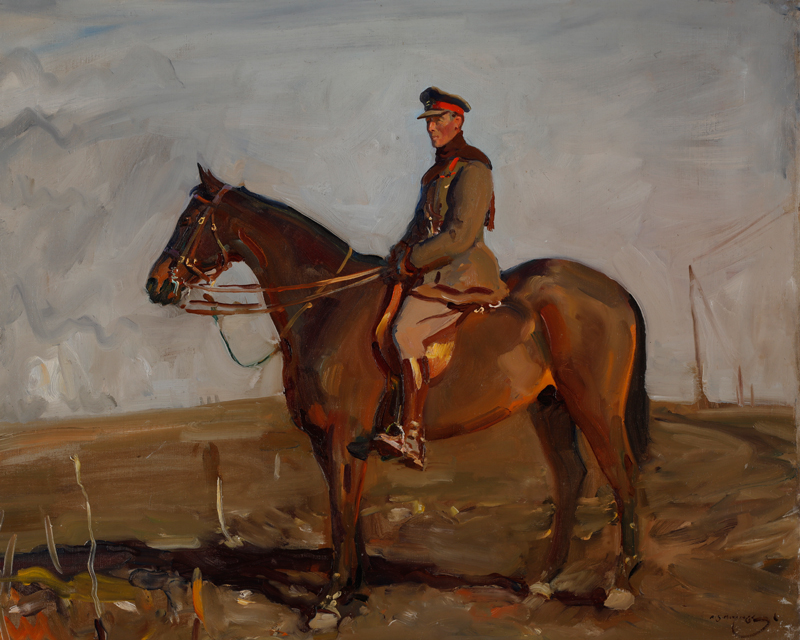
Major-General the Right Honourable Jack Seely, 1918 aboard “Warrior.” A painting by Alfred Munnings.
Warrior
In an extraordinary tale of loyalty and friendship, the story of Warrior would unfold in the pages of a book published in 1934 and be retold on the screen in the movie, War Horse: The Real Story.
Warrior himself, was a bay Thoroughbred born in 1908 on the Isle of Wight. From that day, to the mass call-up of horses for the war effort, through the last cavalry charge against the Germans near Amien, Warrior served his master, General Jack Seely. Seely was a friend of Winston Churchill. Warrior would become one of the most famous war horses of the modern world.
Leaving for France in 1914, Warrior spent five years cheating death on the front lines, returning home to the island, to spend the remaining 19 years of his life together with Seely. There can be no greater pledge of heart than this.
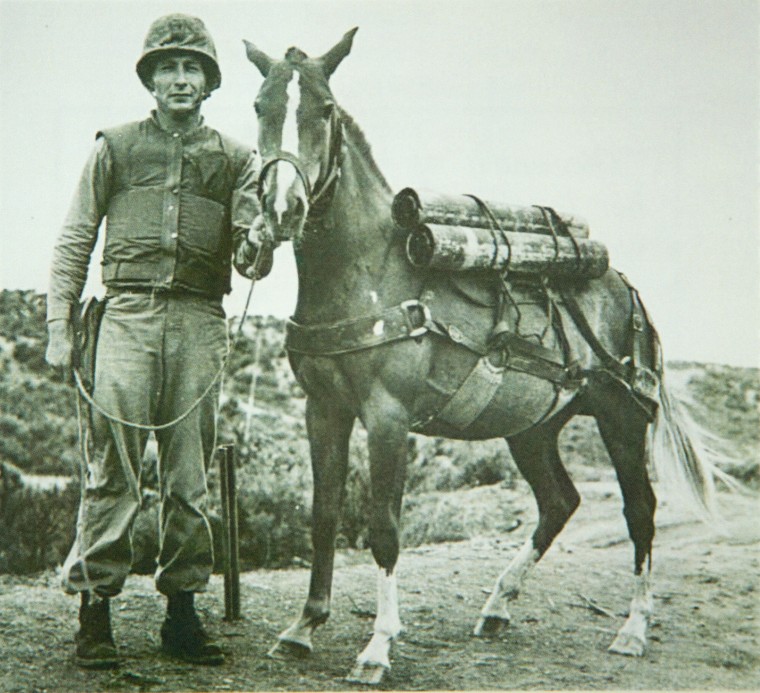
Sergeant Reckless stands with Sergeant Latham.
Sergeant Reckless
Another war hero – or rather heroine, was Sergeant Reckless, so named for the heavy, six-foot-long recoilless or “reckless” rifles she carried. This sturdy little Mongolian mare made 51 trips from the ammo supply point to the firing sites in one five-day battle, most of which were unaccompanied. She walked over 35 miles through rice paddies and up mountains with almost five tons of ammunition, all the while enduring enemy fire at a rate of 500 rounds per minute.
Rescuing wounded soldiers, enjoying Marine Corp rations, and drinking coffee, Reckless was taken back to the United States in 1954 where she was given her final home by the 5th Marines. Promoted to Staff Sergeant, she gave new definition to the meaning of “heart”. Reckless was awarded two Purple Hearts, numerous citations and medals and retired with full military honours; one of only four horses with that distinction. The foursome includes: Chief (last living combat cavalry charger in the US); Comanche, (sole survivor of the Battle of the Big Horn); Black Jack (the riderless horse for President John F. Kennedy’s funeral); and Sergeant Reckless.
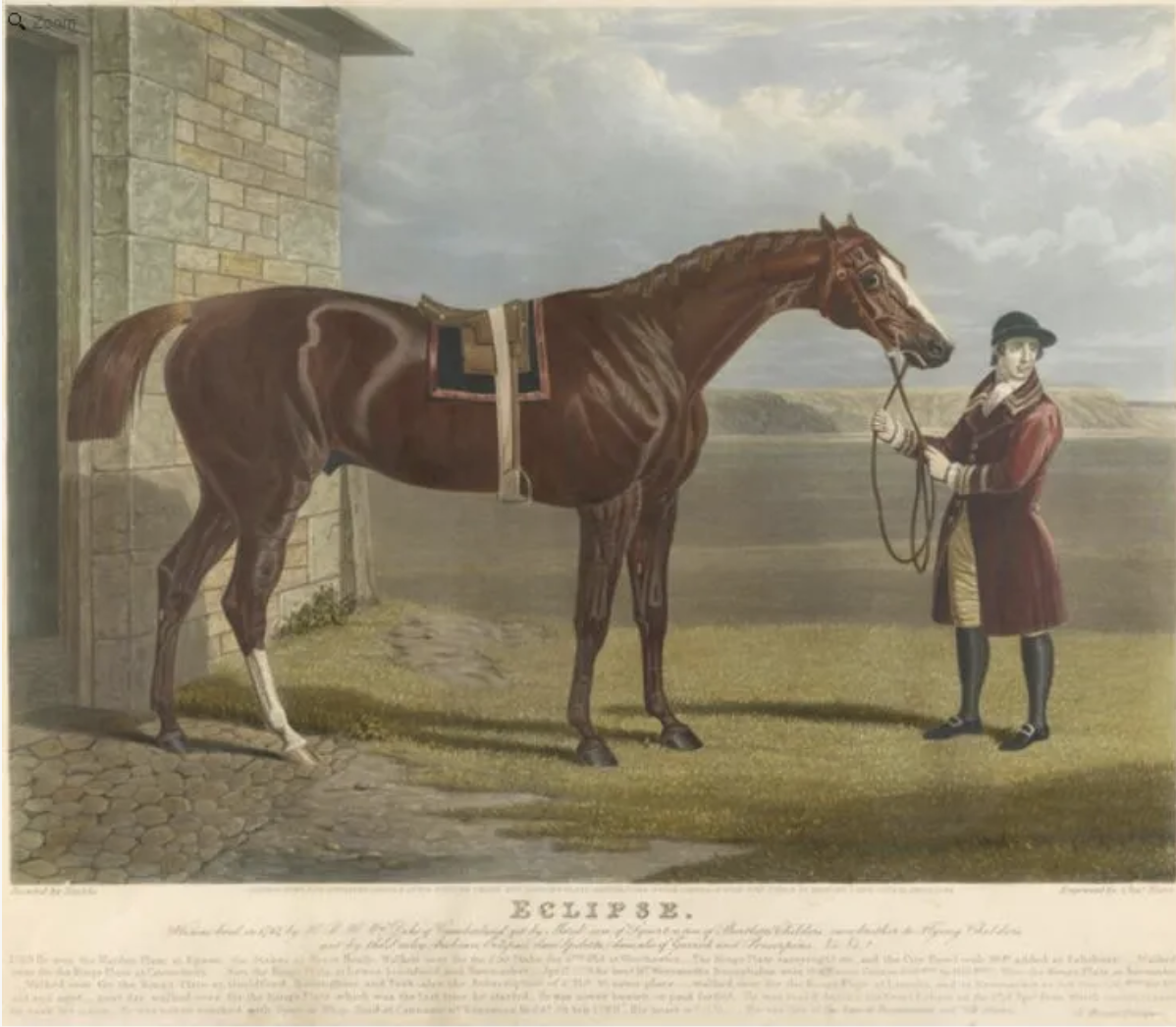
The victor, Eclipse was foaled on April 1, 1764 and named after the solar eclipse of the same date. His dam was sired by Regulus and his grand-sire was the Godolphin Arabian. He stood over 16 hands high, and had a very difficult temperament; one which required a firm hand and long hours of discipline. The extra work tempered him to the point where he was race-worthy, and when he was racing he was allowed to run without constraint.
Eclipse, the unbeaten horse. CREDIT: Public Domain
Because of his temperament, he didn’t start racing until he was five. Bookies arrived at the racing trials too late to find out whether or not rumours about his speed were true. However, it is alleged they met an old woman on the road home who reported she had seen a horse with a white leg – outrunning another far behind it. She claimed the second horse would never catch the first if they ran to the end of the earth! Despite never having won a race, Eclipse would start his first race as a 4-to-1 favourite.
His toughest race would be against Bucephalus. He would go on to win 18 races of which 11 were King’s Plates. From his imperious record came the phrase, “Eclipse first and the rest nowhere,” which phrase is still coined today. He is said to have been able to cover 23 feet in a stride, with a recorded top speed of 83 feet per second.
No one would compete against him, so he was retired to stud after 17 months. After his death due to colic in his 24th year, his necropsy would reveal an abnormally large heart of 14 lbs., double that of the average horse.
Eclipse traces his male lineage to the Darley Arabian, however his dam was a daughter of Regulus whereby tracing him also to the Godolphin Arabian.
The book King of the Wind was written in 1948 as a fictional biography of the Godolphin Arabian. It depicts Agba as the Arabian’s lifetime stable boy. The true story, however, follows similar biographical lines. He was originally presented to the King of France, Louise XV, and then allegedly utilized as a cart horse. One of his peculiarities was his heart-felt attachment to his constant companion, Grimalkin, the cat.
Ultimately, this stud would become the leading sire in Great Britain and Ireland between 1738 and 1747, and through his lineage, and eventually that of Eclipse, the Thoroughbred line would be established.
In 1970, the Royal Veterinary College established that nearly 80 per cent of Thoroughbred racehorses had the Eclipse genetics in their pedigree. Recent determinations establish that number at a much higher 95% – virtually “every living Thoroughbred” evolved from the lineage of Eclipse. The lineage can be traced back to virtually one line, one heart.
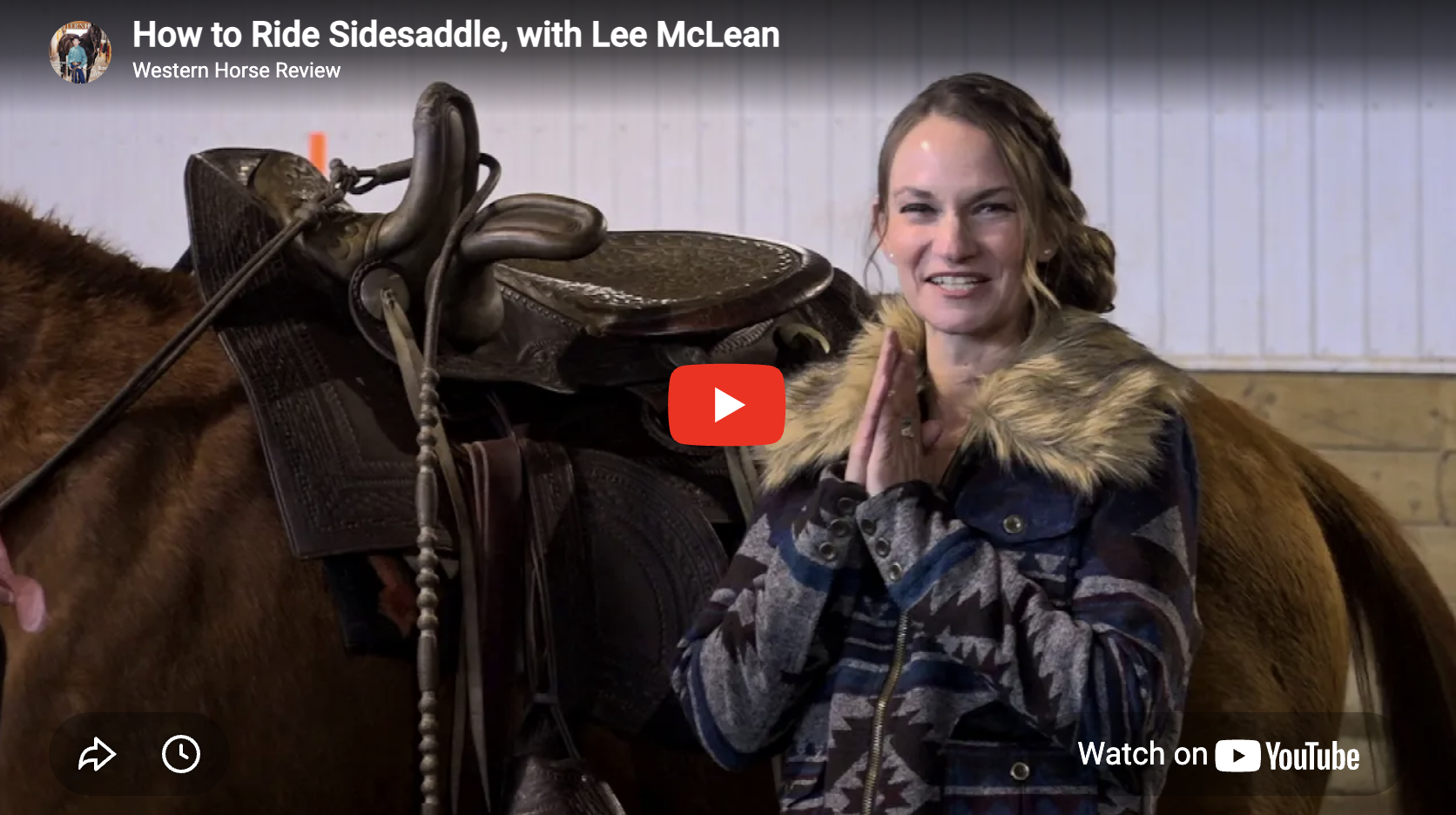
Sidesaddle has sparked new interest amongst women riders and is showing no sign of slowing down any time soon. To learn more about the art and the discipline, ride along with Western Horse Review and the matriarch of sidesaddle, Lee McLean.