


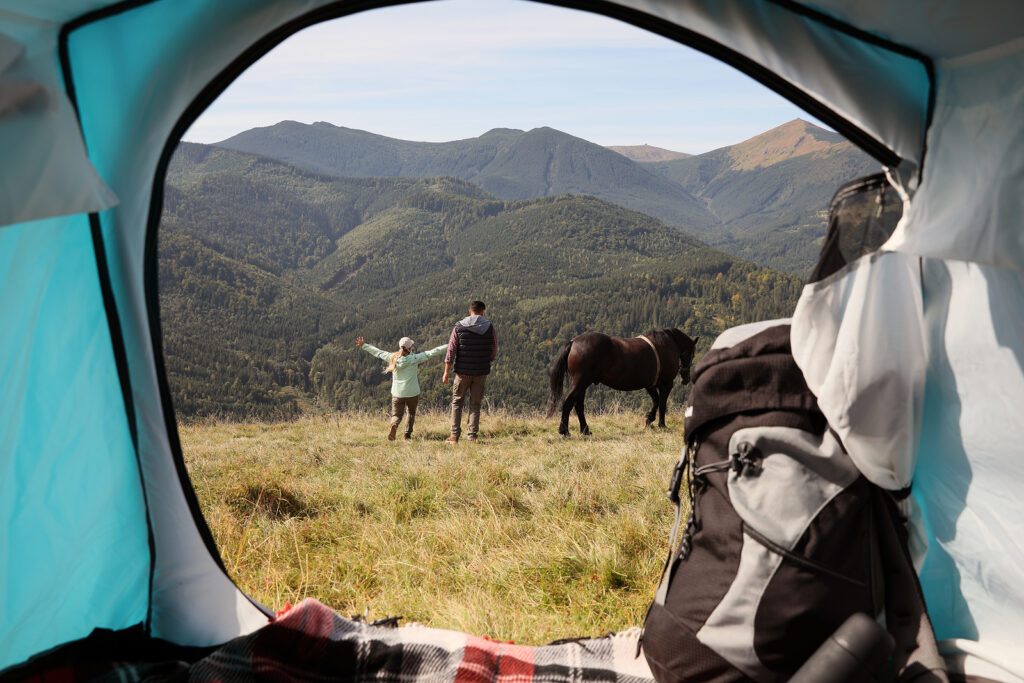
Tim Hiller is a cowboy of many trades. Hailing from Hay Lakes, Alberta, Hiller has spent many hours in the saddle.
When working in the remote Canadian wilderness, Hiller knows how imperative it is to be prepared. Where he treads, the environment is frequently unpredictable and rugged. Weather can change in an instant. Cell service is often limited and in the event of an emergency, help is typically hours (or perhaps even days) away. Still, Hiller has a job to do. He must fix fences and ensure that cattle, horses and people all arrive safely at their destinations.
With years of experience pushing cattle in remote areas, the safety items in Hiller’s packs are non-negotiable. On long rides, he knows it’s possible for riders to encounter wildlife hazards, equipment failure, navigation errors , allergic reactions and heat stroke. Horses too, can throw a shoe mid-ride, get tangled in the brush, become lame – or, spook and run off, with or without their rider in the saddle.
(Are we having fun yet??)
In the Canadian wilderness, preparedness is not only wise, it can make the difference between life or death. Here are Hiller’s checklists for departure.
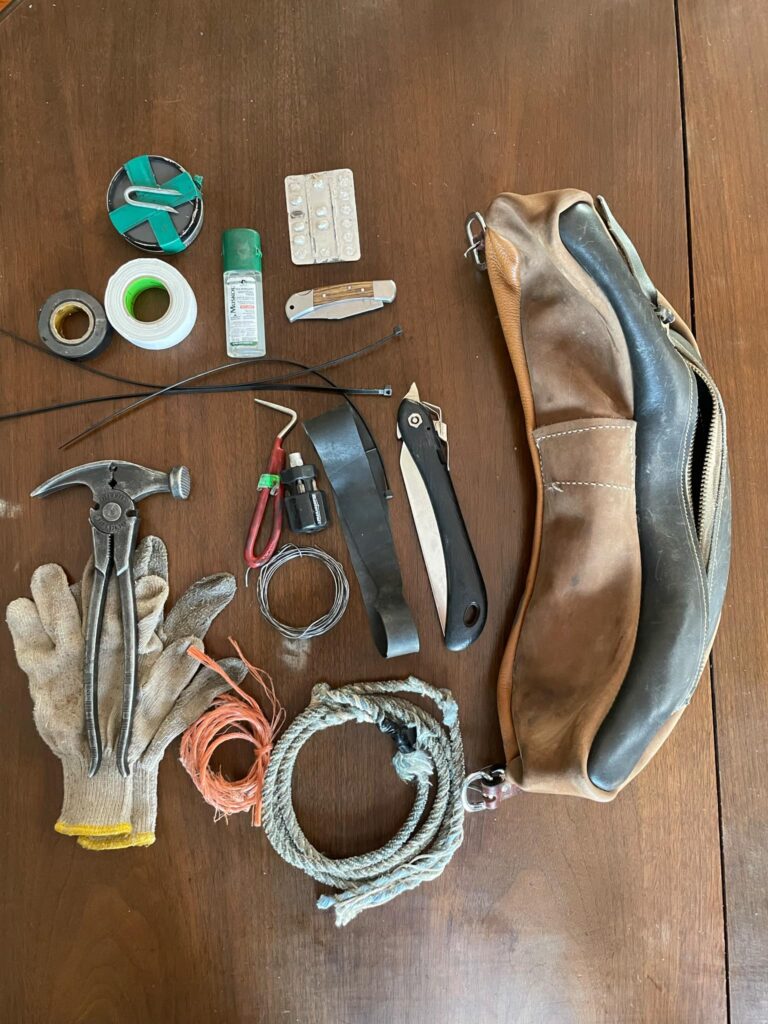
CANTLE BAG
“This cantle bag stays on my saddle at all times,” says Hiller. “And these are items I keep in that bag all year-round.”
- Small tin or old Snuff can of fence staples.
- Electrical tape and hockey tape.
- Bug spray.
- Pocket knife.
- Allergy pills.
- Heavy-duty zip ties (long) (*They need to be long enough to go around and secure a calf if you must leave one behind on a drive.)
- Blamer – the most important tool I have. I can use this to fix fence, pull bent shoes or nail on a new one for my horse on the trail.
- Cotton gloves.
- Hoof pick.
- Small screwdriver with extra bits.
- Bailer twine.
- Heavy-duty rubber band.
- Hay wire, small role – used to replace lost Chicago screws, create make-shift chin straps or repair fences.
- Fishing Line – 25 feet (or longer) fishing line, to use for stitches. (*Please be mindful of the fact that over time, stitching or suture thread can deteriorate. If you choose to fill your pack with these options instead, be sure to check on them every year before use.)
- 6-foot piggin’ string. I simply remove one strand from an old three-strand lariat, so it’s soft enough to tie and long enough to doctor big, ol’ cow legs.
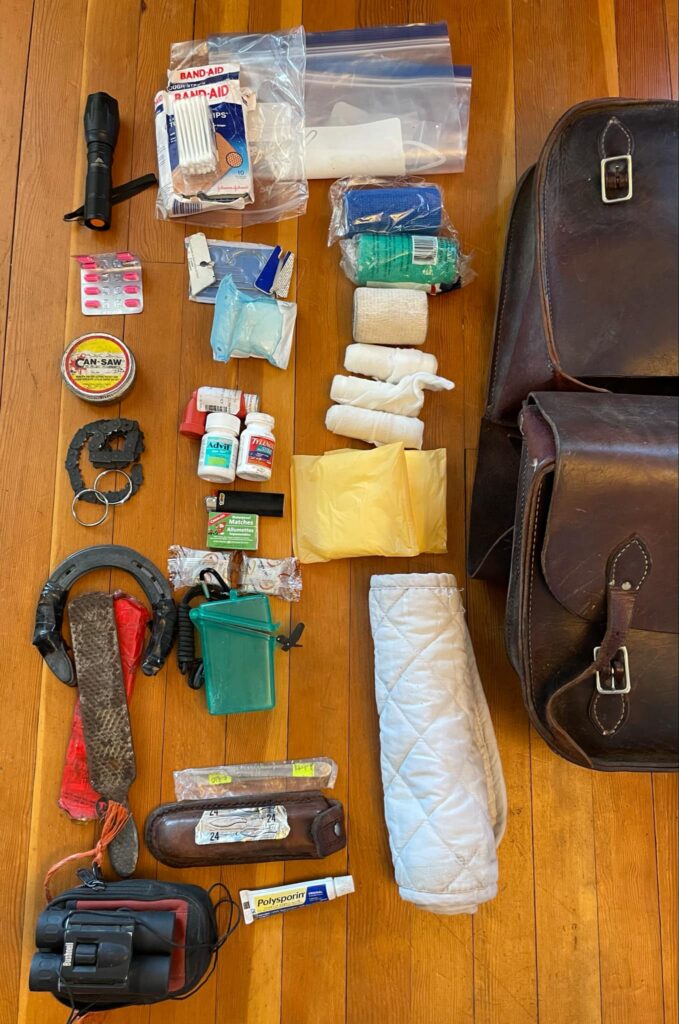
SADDLE BAGS
- Vet wrap.
- Medical tape.
- Gauze rolls.
- Polysporin.
- Medicines – These include an inhaler, Tylenol and Advil.
- Heavy-flow feminine pads with wings. (These are very good to use on open wounds.)
- Cotton leg wrap and outer bandage (or commonly referred to as a “stable wrap.”) Used to reduce swelling on a horse’s leg until you can return back to camp or home.
- Allergy pills.
- Can-Saw – This is essentially a pocket-sized or foldable saw. I use it to cut fallen trees we may come across that block the path and are too big for a pruning saw.
- Front and rear horse shoes. Ideally, you would keep a set of pre-formed shoes that fit the horse you are currently riding in your saddle pack. When trail riding, it’s easy to “clip off” a front shoe when riding in deep root trails. Conversely, it’s also easy to “step” off a rear shoe of another horse when following too closely. Therefore, an extra set of shoes for your mount on long treks may prove to be invaluable. Tape several 16” shoe nails on to the shoes to ensure you have something with which to secure them.
- Used rasp. This addition is not necessary but when cut-to-size to fit inside a cantle bag, it can come in very handily for many things.
- Pruning saw. For small deadfall on the trail and long hooves on old cows.
- Binder twine. To keep your jeans up – or any number of other things.
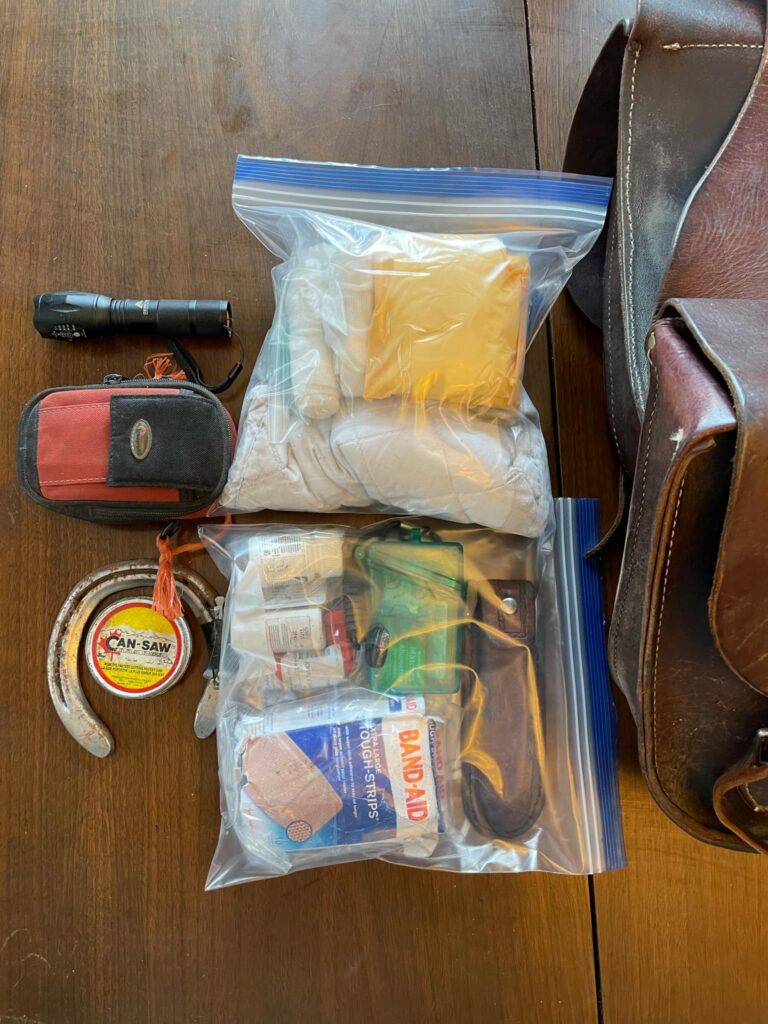
All packed up and ready to be inside a saddle bag.
MED KIT
The contents of Hiller’s Med Kit stays in one of his saddle bags at all times, during long rides.
- Working flashlight.
- Band-Aids and Q-tips.
- Benadryl. The children’s chewable type has a longer shelf life and is less likely to spill in your pack, than the liquid. This is a lifesaver when it comes to allergic reactions to bee stings or contact with certain plants.
- Thick, strong curved sewing needles. These are used to sew horse hide cuts and wounds. They are very important for closing serious wounds.
- Bic lighter, water-proof matches and fire-starter. Zip Fire starters are my go-to, but any starter can work. Cotton balls soaked in Vaseline work well and can be rolled between your fingers to make a wick.
- Water-tight container. To store your matches and fire starter.
- Scalpel and new, sanitized blades.
- Polysporin. Can be used on horses or humans.
OPTIONAL:
- Binoculars.
- EpiPen. For life-threatening, allergic reactions in humans.
- Extra reading glasses.
- Winter gloves.
WHY IT MATTERS
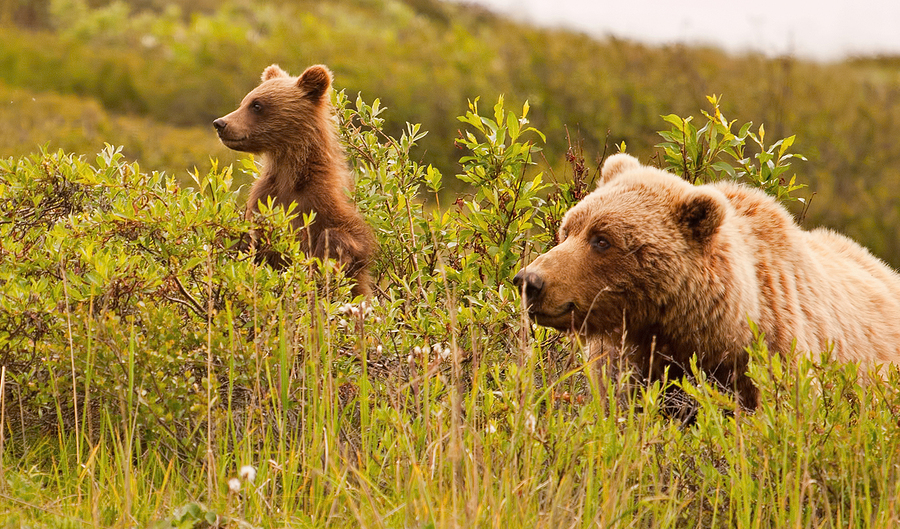
- Weather can change in an instant, even in summer.
- No cell service in many back country areas.
- You are far away from home and might be on your own for hours or days.
- Horses can become injured or spook.
SATELLITE COMMUNICATOR
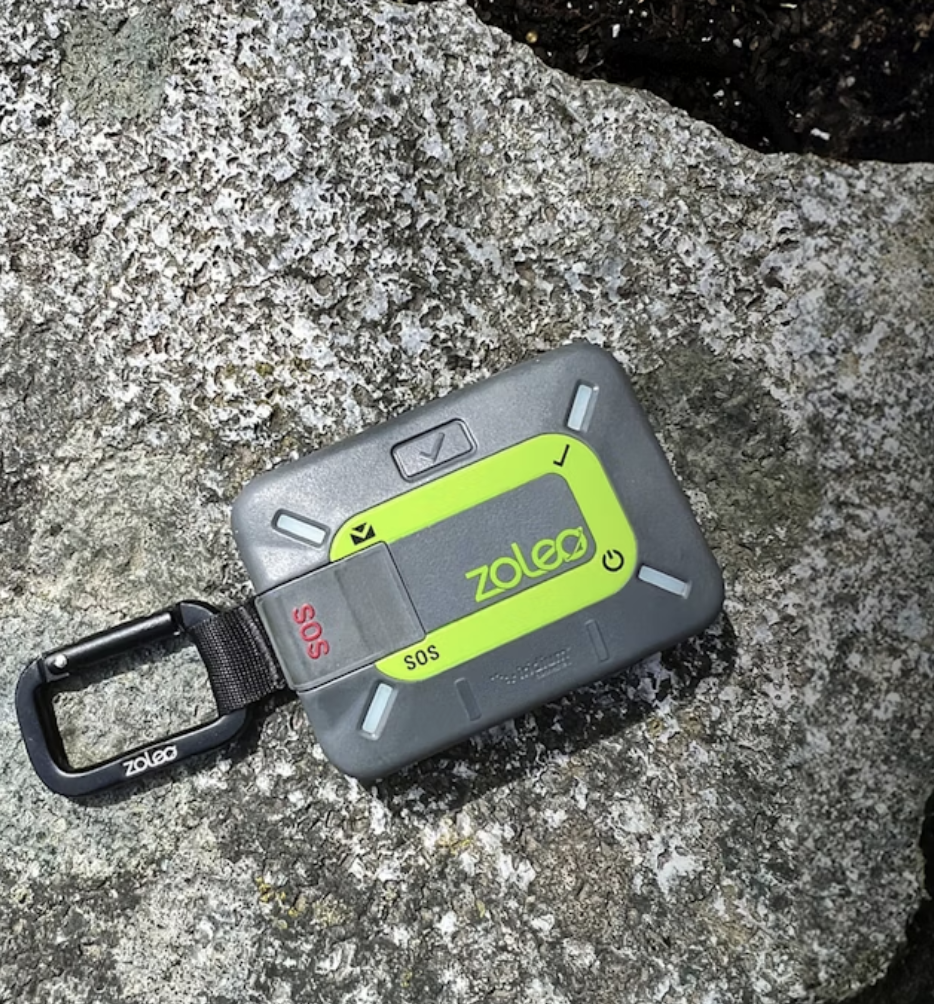
“I carry a Zoleo Satellite Communicator for emergencies in the back country,” states Hiller. “With it I never have to worry about not having a cell signal and the device can download maps as well. Satellite phones are getting better every day.”
Hiller says he purchased one for himself after witnessing a harrowing experience that required helicopter and first-responder assistance.
“One of the riders in our group had her horse lay down to roll with her at a river crossing. An older fellow rider used his satellite phone to reach out for help and they came with two helicopters. One helicopter could get into harder-to-reach places and relocated the victim to a spot where the air ambulance can land. In that instance, the ambulance was able to land in a gravel bar close by, so the other chopper just circled and left. After that I purchased one for myself.”