


Intracytoplasmic sperm injection, better known as “ICSI” breeding, is the latest buzzword in the world of equine reproduction. Here’s why horse owners are seeing a wide range of advantages in this advanced repro technique.
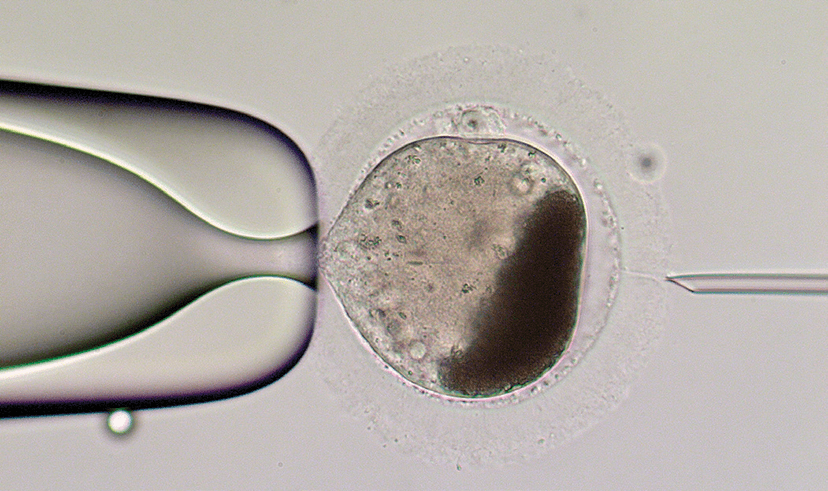
Intracytoplasmic sperm injection, (better known as ICSI,) has become a option available to horse owners in the breeding game. Although the practice has been around for many years now, the practice of ICSI is becoming more socially accepted as a breeding option. Utilizing only a single sperm from a stallion, the practice is helping to extend the breeding lives of both mares and stallions.
However, ICSI is a complicated procedure requiring special expertise and equipment – and it’s not without risk. Here’s a generic look at this breeding alternative, along with some other considerations you will want to evaluate before signing your horses up.

WHAT IS IT?
ICSI breedings are quickly becoming an important field of advanced reproduction in horses, as owners are realizing the value it presents in preserving championship genetics. It’s important to note that cloning and ICSI breeding are not the same thing: In ICSI reproduction, the nucleus is derived from a normal egg and followed with fertilization by a normal haploid sperm.
Cloning / nuclear transfer involves taking body cells from an adult horse and introducing them into an unfertilized egg that has had its genetic material removed, followed by embryo development.
One of the major advantages of ICSI is that it can help produce foals from older mares, or mares with breeding challenges. The process involves aspiration of the mare, in which a needle is guided through the flank of the mare to her ovary, or via ultrasound through the vagina. A mature oocyte is collected and injected with only a single sperm. Immature oocytes can also be collected, but they then must be cultured to maturity.
As only a single sperm is required from the stallion, stallion owners are also seeing the benefits of ICSI for horses with low quantities of semen, or for stallions that have died and only a small amount of frozen semen is left.
Problems occurring as a result of ICSI breeding are rare, but can happen. Scarring of the ovary can take place after multiple perforations, or secondary problems can result from inserting the needle into the mare’s abdominal cavity, which is why it’s recommended not to utilize ICSI if your mare can be bred by conventional methods instead.

THE RULES
It’s important to completely understand the association rules surrounding ICSI breeding, before employing the process. Often, resulting foals must be parentage-verified before they can be registered.
ICSI breedings can cost anywhere from $5,000-$15,000 so it’s important to properly evaluate whether the risks are worth the potential foal. For many horse owners with animals of highly in-demand genetics, the answer is often “yes.”